
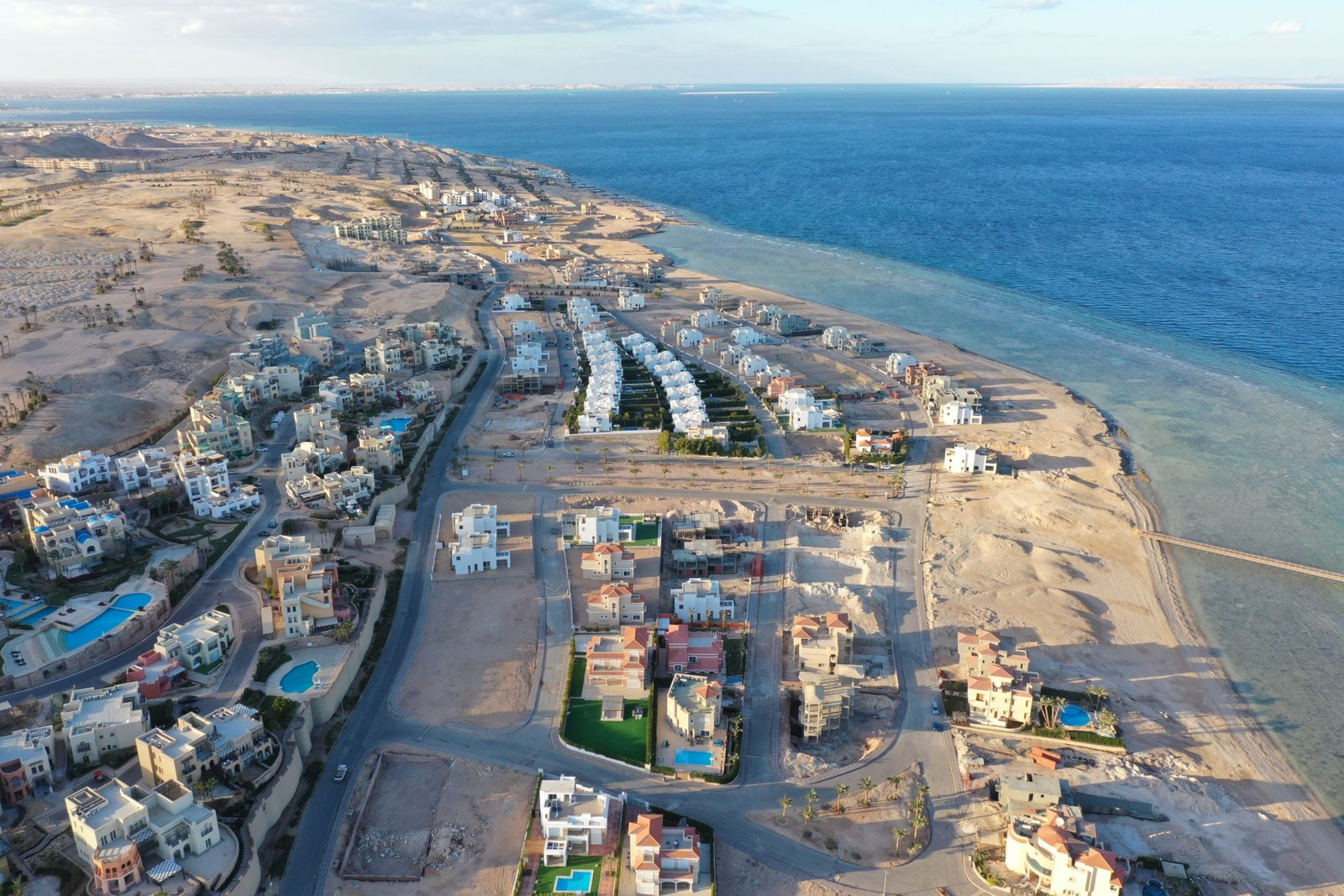
Egypt Real Estate
The Egyptian real estate market has witnessed remarkable growth over the years, establishing itself as a reliable investment avenue for both local and foreign investors. One of the key factors contributing to the stability of this market is its consistent appreciation in property values, which has outperformed many other investment options available in Egypt.
Historically, Egypt real estate sector has shown resilience against economic fluctuations, with property values steadily increasing. This growth can be attributed to several economic factors, including population growth, urbanization, and an expanding middle class. As more individuals seek housing and commercial opportunities, the demand for real estate continues to rise, thereby fueling price increases.
Furthermore, governmental initiatives aimed at spurring economic development have positioned real estate as a lucrative investment. Policies that foster infrastructure development, such as new roads, public transportation systems, and utility services, have enhanced the appeal of various regions for real estate investment. These measures not only stimulate current demand but also lay the groundwork for sustained future growth.
In comparison to other investment avenues, such as stocks or bonds, Egypt real estate has proven to be a more stable and less volatile choice. The tangible nature of property provides a sense of security for investors, while the potential for rental income further boosts its attractiveness. Additionally, with inflationary pressures impacting many economies worldwide, real estate has emerged as a hedge that can preserve wealth over the long term.
In light of these factors, Egypt real estate market remains an enduring favorite for investors looking to build long-term wealth. Its historical appreciation and proactive governmental measures ensure that the investment landscape continues to thrive, making real estate a favored option for those seeking stability and growth in their portfolios.
The Demand for Housing and Commercial Spaces
The landscape of Egypt real estate has been significantly influenced by a variety of factors contributing to the rising demand for both residential and commercial properties. Central to this phenomenon is the remarkable population growth, which is projected to reach over 100 million by 2030. Such demographic shifts necessitate a considerable increase in housing, as more people migrate to urban centers in search of improved living standards and employment opportunities.
Urbanization trends have played a crucial role in shaping Egypt real estate. As the population moves toward cities, the demand for well-planned residential neighborhoods continues to rise. Additionally, cities such as Cairo and Alexandria have experienced rapid expansion, leading to a need for affordable housing solutions that cater to the influx of residents. The trend of urbanization is not merely a short-term shift; it indicates a long-lasting change in living patterns which investors are keen to capitalize on.
Moreover, Egypt’s government has embarked on substantial infrastructure projects aimed at enhancing connectivity and accessibility across regions. Initiatives such as the New Administrative Capital and the expansion of the regional road network further stimulate the real estate sector by attracting both local and foreign investment. This influx of capital is directed towards developing not only residential properties but also commercial spaces that are integral to supporting thriving urban centers. As businesses flourish alongside residential projects, the need for office spaces, retail complexes, and mixed-use developments becomes increasingly important.
In summary, the extensive demand for housing and commercial spaces in Egypt can be attributed to population growth, urbanization, and significant infrastructure advancements. These elements ensure that the real estate sector remains a robust investment avenue, appealing to a diverse range of investors seeking long-term wealth creation.
Government Policies and Incentives Supporting Real Estate Investment
In recent years, the Egyptian government has implemented a variety of policies and incentives designed to stimulate and encourage real estate investment. These initiatives have played a crucial role in making the real estate sector an attractive option for both local and foreign investors. One of the most notable measures is the provision of tax incentives aimed at reducing the financial burden on investors. Through reduced property tax rates and incentives for the development of specific types of properties, such as residential and industrial facilities, the government effectively lowers the entry hurdles for potential investors.
Moreover, the regulatory framework surrounding real estate transactions has been significantly simplified. Streamlined processes and reduced bureaucratic requirements make it easier for investors to navigate property transactions, thereby encouraging more individuals to enter the market. This alignment of policy and practice not only enhances the ease of doing business but also cultivates an environment conducive to long-term investments in real estate.
Additionally, the government has initiated several programs aimed at boosting the housing market, particularly in response to the growing population and urbanization trends. Programs addressing affordable housing development provide incentives for developers to construct units that cater to lower-income families, ensuring that housing remains accessible. Such measures not only meet the existing demand but also empower investors to participate in socially responsible projects.
By creating a supportive ecosystem through these policies, the Egyptian government demonstrates its commitment to fostering a vibrant real estate market. The combination of tax incentives, regulatory simplification, and targeted housing initiatives contribute significantly to the perception of real estate as a preferred investment for long-term wealth-building in Egypt. As the government continues to refine these strategies, the outlook for real estate investment remains promising, ensuring ongoing opportunities for investors seeking to capitalize on this vital sector.
Real Estate as a Hedge Against Inflation
In the context of Egypt’s evolving economic landscape, real estate emerges as a robust hedge against inflation. Inflation typically erodes the purchasing power of currency, resulting in higher costs of living and reduced savings value. In such scenarios, asset diversification becomes crucial, with real estate investments standing out as a resilient choice. This investment class not only retains value but also tends to appreciate over time, often mirroring or outpacing inflation rates.
When inflation rises, property values generally follow suit due to increased demand. This phenomenon can be attributed to several factors, including growing populations, urbanization, and limited land availability in desirable locations. As a result, property investments in Egypt’s prime areas become increasingly attractive, serving not only as a source of rental income but also as a long-term wealth preservation strategy. Furthermore, real estate prices are influenced by local market dynamics and economic indicators, which can shield investors from some of the more volatile aspects of currency fluctuations.
Moreover, residential and commercial properties tend to offer competent returns during periods of inflation. Investors can benefit from rental increases corresponding with escalating operational costs. This rental escalation serves as an effective mechanism for maintaining income levels amidst inflationary pressures, enhancing the appeal of property ownership. With effective management and strategic property selection, real estate can yield stable cash flows and safeguard capital against the detriment of inflation.
In summary, Egypt real estate demonstrates a consistent pattern of appreciation, making it not only a preferred investment avenue but also a safeguard against inflation and currency devaluation. By diversifying portfolios with property investments, individuals can achieve long-term financial security while navigating economic uncertainties.
Ready to invest in Egypt Real Estate? Contact us today and discover the best investment properties in Hurghada, Sahl Hasheesh, and beyond.




Join The Discussion