
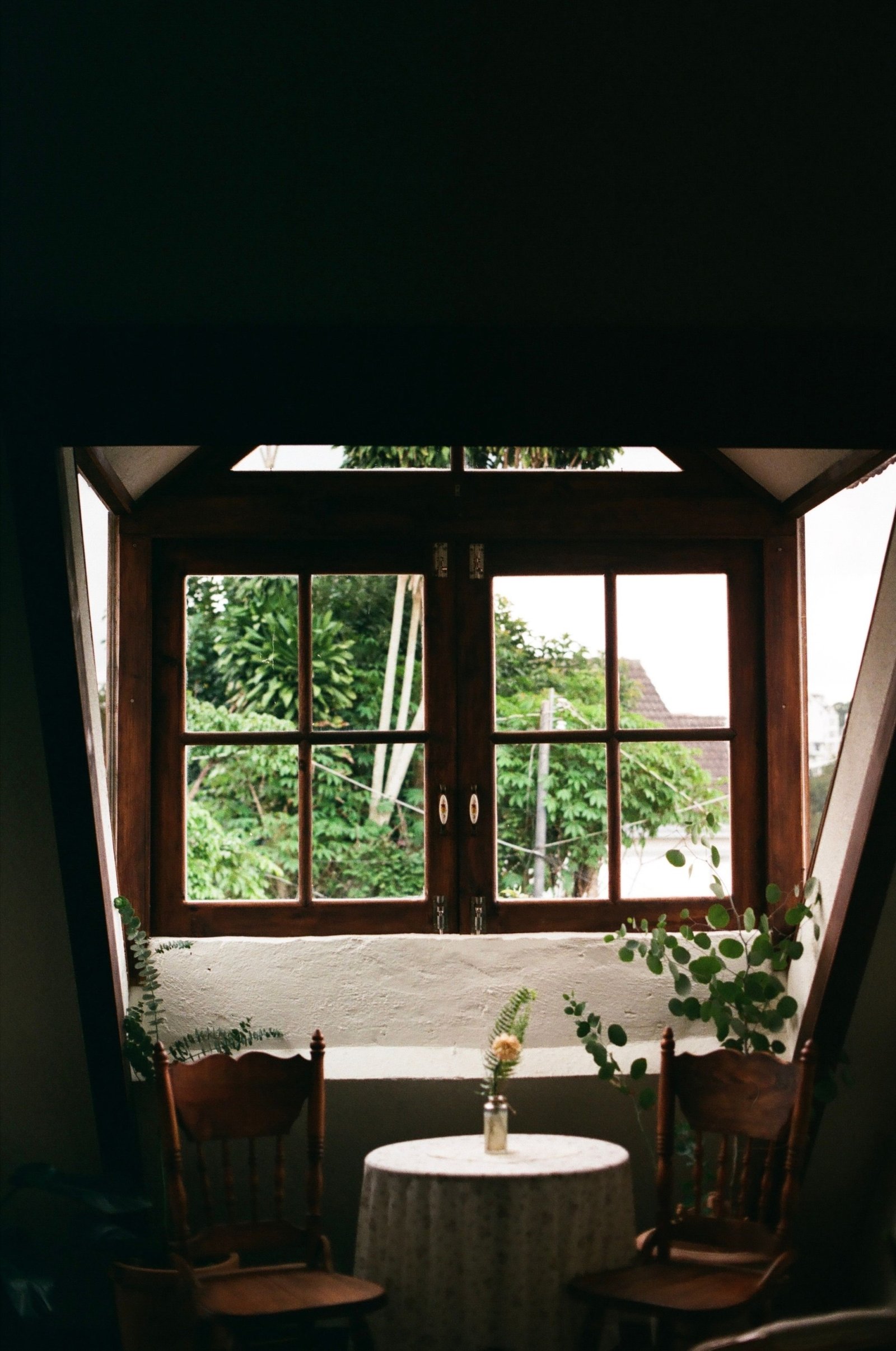
Understanding Natural Light and Its Benefits
Natural light, often referred to as daylight, is the illumination that comes from the sun, impacting indoor environments and influencing our daily experiences. This essential element not only fills a space with warmth and brightness but also shapes the overall ambiance of a home. Its sources include direct sunlight, diffused light from clouds, and the reflections of light off surfaces, all contributing to a home’s livability and aesthetic appeal.
The benefits of natural light extend beyond mere aesthetics—it has profound psychological and physical effects on occupants. Researchers have shown that exposure to natural lighting can significantly enhance mood and well-being. Homes flooded with natural light may reduce feelings of anxiety and depression, making occupants feel more comfortable and at ease. Furthermore, exposure to daylight has been linked to improved energy levels and productivity, promoting a sense of vigor that artificial lighting often fails to replicate.
Another notable advantage of incorporating natural light into living spaces is its potential for energy savings. By maximizing the use of daylight, homeowners can reduce reliance on artificial lighting, leading to lower electricity bills. Moreover, homes that optimize natural light can also have better ventilation, which can contribute to a healthier indoor environment.
Furthermore, the aesthetic appeal of a home is greatly enhanced by the presence of natural light. Sunlight can illuminate architectural features and highlight design elements, making spaces feel more inviting. Open floor plans with large windows or skylights are particularly sought after, as they create a seamless connection between the indoors and outdoors, drawing in the surrounding landscape. Thus, understanding natural light and its benefits equips potential buyers with the knowledge to make informed decisions when purchasing a home.
Evaluating Natural Light in Home Tours
When attending property viewings, assessing the natural light within a prospective home is crucial. It is important to consider several key factors that can significantly influence the quality and quantity of natural light in the space.
The first factor to evaluate is the orientation of the house. Homes that face south typically receive maximum sunlight throughout the day, while those facing north may receive less. Consider visiting the property at different times of the day to see how the light enters the home. Early morning light can be beautiful and warm, while late afternoon sun offers a different perspective of brightness. Observing the home’s orientation relative to surrounding structures is also essential, as nearby buildings or trees can obstruct sunlight, resulting in darker rooms.
Window sizes and types play a significant role in the amount of natural light a house can capture. Larger windows generally allow more light to enter, enhancing the ambiance of a room. Take note of any smaller, dimly lit areas that may benefit from larger windows or skylights. Additionally, the quality of the windows matters; double-glazed windows often have better insulation, thereby increasing natural light without compromising on energy efficiency.
The surrounding landscape also affects natural light. Dense foliage or tall fences can block sunlight, impacting the bright and airy feel of a property. It may be beneficial to visit during different seasons to see how light patterns shift; for instance, trees that are lush in summer may cast shadows on the property in the fall. In conclusion, assessing these aspects during property viewings will help buyers gain a comprehensive understanding of the natural light potential in their future home.
The Role of Natural Light in Home Value
The presence of natural light in a home is often touted as a vital element that influences its market value. Real estate experts consistently point out that properties adorned with ample natural light not only attract potential buyers more efficiently but often command higher sale prices compared to their darker counterparts. The correlation between natural light and home value hinges on several factors, including aesthetics, psychological benefits, and overall livability.
From a design perspective, natural light embellishes the interior spaces of a home, creating a more inviting and spacious atmosphere. Bright rooms can enhance the perception of space, making even smaller homes feel larger and more open. This visual appeal significantly affects buyer interest, often instilling a sense of warmth and comfort that resonates during property viewings. Consequently, such homes tend to generate quicker sales, as prospective buyers are frequently seeking spaces that offer light and energy.
In addition to these aesthetic benefits, it is essential to consider the psychological impacts of natural light. Studies have shown that natural lighting can improve mood and productivity, making homes bathed in sunlight more desirable for families and individuals alike. This increased desirability translates into a competitive advantage in the real estate market, as sellers can leverage the benefits of natural light to justify higher asking prices.
For those looking to enhance their property’s value, strategic renovations can significantly improve the influx of natural light. Simple modifications, such as adding larger windows, skylights, or even solar tubes, can facilitate the entrance of sunlight into darker spaces and promote a brighter living environment. Such upgrades are often recouped in the resale value, emphasizing the importance of natural light in home investments.
Making Decisions Based on Natural Light
When buying a home, prioritizing natural light can significantly impact your overall satisfaction and well-being within the space. Natural light not only enhances the aesthetic appeal of a home but also plays a vital role in supporting mental health and improving energy levels. Therefore, it is essential for buyers to evaluate their options carefully while making decisions based on natural light availability.
One way to assess natural light in potential homes is to consider the direction that the windows face. South-facing windows generally receive the most sunlight throughout the day, while north-facing windows provide cooler, softer light. Understanding how sunlight moves through a space can help inform your decision, particularly regarding which rooms are most important for bright exposure, such as living rooms and kitchens.
However, buyers must balance their preference for natural light with pragmatic concerns such as location, budget, and overall property features. For instance, a home that receives ample natural light may also be located in a bustling neighborhood or come with a higher price tag than anticipated. Buyers should evaluate which factors are most critical to them and whether they are willing to compromise on certain aspects to secure their ideal level of natural light.
If a property does not meet your natural light aspirations, consider alternatives. This could include incorporating reflective surfaces, such as mirrors, or opting for lighter paint colors to create an illusion of brightness. You might also explore modifications, like adding skylights or larger windows, if budget and regulations allow. Ultimately, aligning personal preferences with logistical necessities is key to making an informed decision about natural light while house hunting.
Discover homes designed to maximize natural light and create bright, inviting living spaces. Contact us today to find a property that perfectly matches your lifestyle and investment goals!





Join The Discussion