
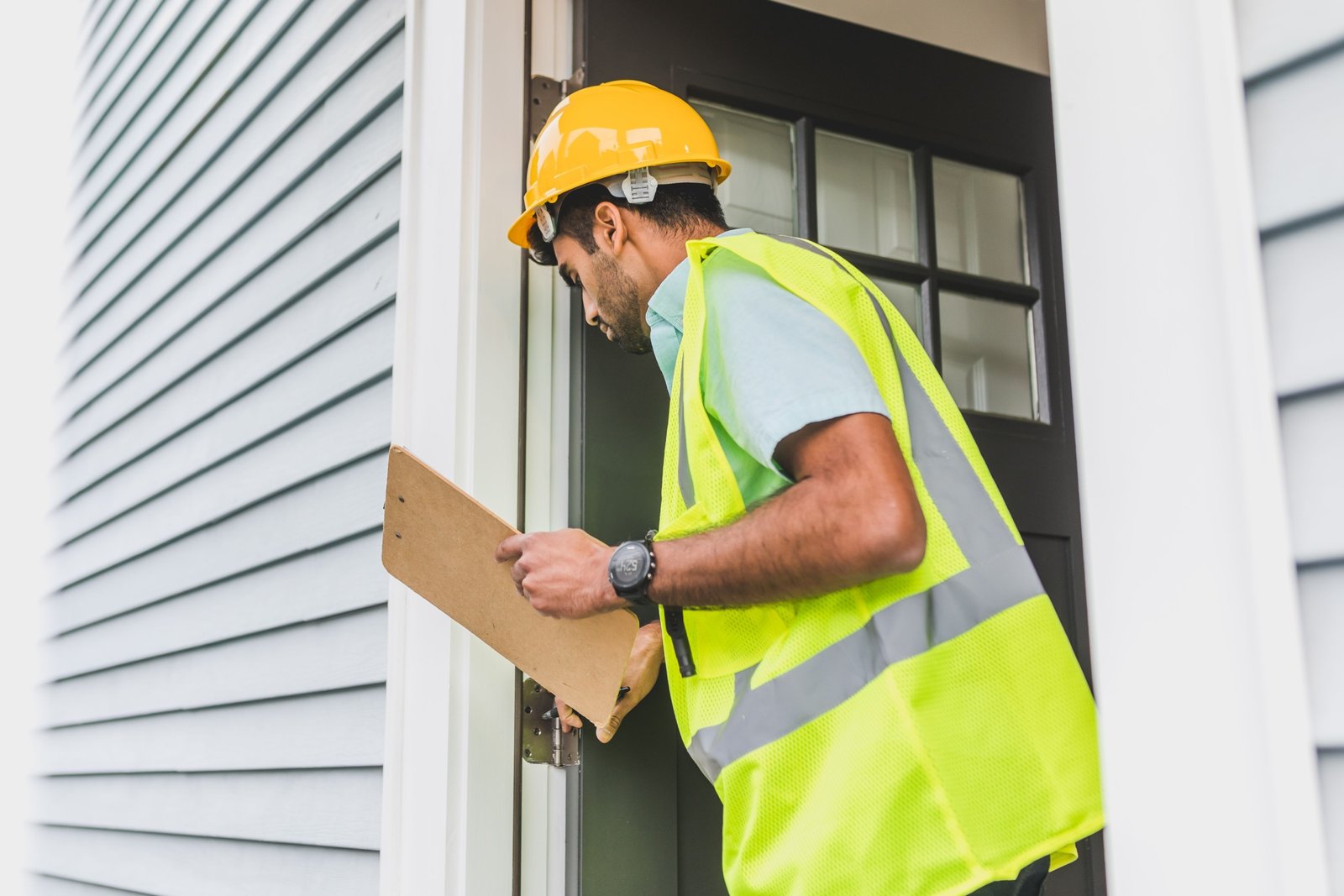
Understanding Low-Maintenance Living
Low-maintenance living refers to a lifestyle choice that prioritizes simplicity and ease in homeownership. As many modern homeowners seek to minimize the time and effort spent on home upkeep, low-maintenance features have emerged as a practical solution. These features are designed to require minimal care, thereby allowing residents to focus more on enjoying their homes rather than constantly performing maintenance tasks.
The advantages of low-maintenance living are numerous. Firstly, it significantly reduces the stress associated with home upkeep. Traditional homes often demand regular maintenance, such as landscaping, painting, and repair work. In contrast, homes equipped with low-maintenance features, such as durable materials and efficient designs, often need less frequent attention. This shift means homeowners can spend more quality time engaging in leisure activities or managing their professional commitments rather than worrying about home repairs.
Furthermore, low-maintenance living can lead to economic benefits. By investing in materials and systems that require less upkeep, homeowners can save money on repairs and maintenance services over time. For example, installing vinyl siding or using composite decking can greatly reduce the need for painting or sealing, ultimately leading to lower maintenance costs. Additionally, properties designed for low-maintenance living can also enhance a home’s appeal, making them attractive to potential buyers, should homeowners ever decide to sell.
In essence, low-maintenance living empowers homeowners to lead a more balanced and relaxed lifestyle. It facilitates the enjoyment of one’s living space without the burden of constant upkeep, making it an appealing choice for busy professionals, families, and retirees alike. Embracing this approach means creating a sanctuary that fosters relaxation and enjoyment, unencumbered by the demands of traditional home maintenance.
Key Features for Time and Cost Savings
In the realm of low-maintenance living, certain features within a home can significantly contribute to both time and cost savings. These elements not only enhance the overall efficiency of the residence but also allow homeowners to enjoy a more manageable lifestyle. Among the most critical aspects are energy-efficient appliances, durable materials, and automated systems.
Energy-efficient appliances are designed to use less energy while delivering optimal performance. By installing such appliances, homeowners can reduce their utility bills and minimize their environmental footprint. For instance, energy-efficient refrigerators, washing machines, and HVAC systems can collectively lead to substantial savings over time. Moreover, many of these appliances feature smart technology that alerts users to issues before they become costly repairs, thereby enhancing their longevity.
Furthermore, the use of durable materials throughout the home is pivotal in promoting low-maintenance living. Finishes made from high-quality composite materials, such as quartz or concrete, can resist wear and tear better than traditional options. For example, opting for vinyl siding or metal roofing minimizes the frequency of repairs and the need for routine maintenance. Such investments often pay off in the long run, as they require less upkeep and replacement compared to less durable alternatives.
Automated systems are another essential feature that can greatly streamline everyday tasks. Innovations such as smart home technology enable homeowners to control lighting, heating, and security systems remotely or through automation. This not only saves time by reducing the need for manual adjustments but also enhances energy management throughout the home. By implementing these systems, homeowners can track energy usage more effectively and enhance their home’s efficiency.
Incorporating these key features—energy-efficient appliances, durable materials, and automated systems—can transform a home into a space that promotes low-maintenance living. This strategic approach not only conserves time but also yields notable financial benefits over the long term.
Landscaping and Outdoor Considerations
Creating an outdoor environment that complements a low-maintenance lifestyle involves thoughtful landscaping choices. Homeowners can achieve a beautiful landscape without the constant upkeep by selecting plants and materials that thrive with minimal intervention. One of the first steps in low-maintenance landscaping is the selection of drought-resistant plants. These species are designed to sustain themselves with less water, making them ideal for homeowners looking to reduce their gardening workload while still maintaining an appealing exterior.
Drought-resistant plants, such as succulents, ornamental grasses, and native flora, require less irrigation and care compared to traditional garden varieties. By incorporating these types of plants, homeowners can not only save on water costs but also contribute to ecological sustainability. Additionally, these plants often attract beneficial insects and wildlife, enhancing biodiversity without demanding extensive maintenance.
In addition to planting choices, the incorporation of hardscape elements plays a significant role in creating a low-maintenance outdoor space. Hardscaping refers to non-plant elements, such as patios, walkways, and retaining walls, which can enhance the curb appeal of a home while reducing the area that needs regular maintenance. Materials such as pavers, stone, and concrete are durable options that require minimal upkeep and can be aesthetically pleasing.
Efficient irrigation systems are another important consideration for low-maintenance landscaping. Drip irrigation, for instance, delivers water directly to the plant roots, minimizing evaporation and water waste while promoting healthy growth. This targeted approach not only conserves resources but also lessens the frequency of watering tasks. By implementing smart irrigation technology, homeowners can ensure their landscapes remain vibrant with minimal effort.
In summary, low-maintenance landscaping is achievable through the wise selection of drought-resistant plants, effective hardscaping strategies, and efficient irrigation systems. Together, these elements contribute to an outdoor space that is both beautiful and easy to maintain, allowing homeowners more time to enjoy their surroundings rather than tending to them.
Smart Home Technology for Maintenance Efficiency
In recent years, smart home technology has evolved significantly, rendering it a vital component for homeowners seeking low-maintenance living. By integrating automated devices and systems into everyday life, individuals can greatly simplify daily management tasks, ultimately leading to a more efficient home.
One of the key areas where smart technology excels is in automated lighting. Smart lighting systems allow homeowners to schedule light usage or control illumination remotely through smartphone applications. This capability not only enhances convenience but also contributes to energy efficiency. By reducing the time lights are left on unnecessarily, users can lower their energy consumption and prolong the life of their light fixtures.
Security is another domain where smart devices provide substantial benefits. Home security systems equipped with smart technology offer features such as remote monitoring, automated alerts, and integration with other smart home devices. These systems allow homeowners to oversee their property in real-time, receive instant notifications of unusual activities, and automate responses, such as locking doors or activating alarms, without physical interference. This heightened level of security minimizes maintenance needs associated with burglary and vandalism.
Climate control is yet another critical area enhanced through smart home solutions. Smart thermostats learn user preferences over time, adapting heating and cooling schedules automatically. By optimizing energy use based on occupancy and preferences, these devices not only enhance comfort but lead to significant savings on energy bills. Furthermore, some smart systems can notify homeowners of maintenance issues, such as filter replacement or unusual performance, allowing proactive management and preventing larger problems from arising.
Incorporating smart home technology thus presents a powerful method for facilitating low-maintenance living. By employing automated lighting, advanced security systems, and intelligent climate control, homeowners can enhance their living experience, reduce workload, and ultimately enjoy a lifestyle that emphasizes convenience and efficiency.



Join The Discussion