
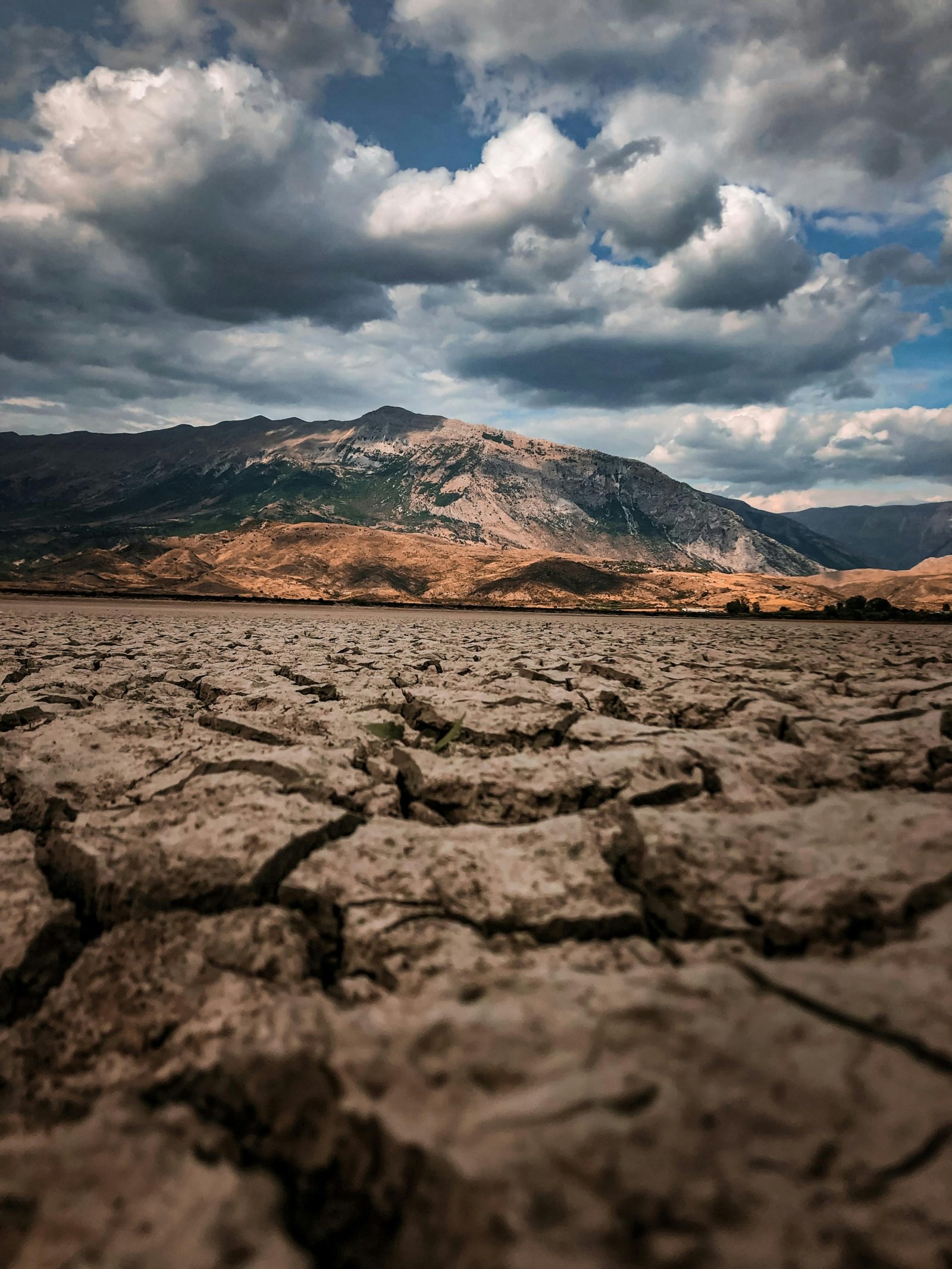
Understanding Climate Change and Its Impact on Real Estate
Climate change refers to long-term shifts in temperatures and weather patterns, primarily driven by human activities, particularly the burning of fossil fuels. This phenomenon has increasingly become a significant factor influencing the real estate market. Rising global temperatures lead to more extreme weather events, which in turn affect property values and buyer behavior.
One major trend in the real estate sector is the growing awareness of climate-related disasters, such as floods, hurricanes, wildfires, and heatwaves. As these occurrences become more frequent and intense, buyers are becoming more cautious in their property investment decisions. For instance, areas prone to flooding may see a decrease in property desirability, leading to a decline in property prices. Conversely, regions perceived as safe from such climate-related risks may experience an uptick in demand, which subsequently affects market dynamics.
The geographical impact of climate change on real estate is notable. Coastal cities are increasingly at risk of rising sea levels, prompting potential buyers to evaluate flood insurance and the long-term viability of their investment. Inland areas, which may once have been considered safe, are now experiencing heightened wildfire risks, forcing buyers to factor in potential evacuation scenarios. Additionally, urban heat islands in dense metropolitan areas can affect livability, driving preferences toward properties with better climate resilience.
As climate consciousness permeates buyer behavior, it is essential for potential property investors to consider the implications of climate change thoroughly. Incorporating climate resilience features in property design and understanding localized risks can not only enhance property values but also ensure their investments remain stable amidst an evolving environmental landscape.
Risks and Challenges for Property Buyers in a Changing Climate
As climate change continues to influence various aspects of our environment, it becomes imperative for property buyers to fully understand the multifaceted risks and challenges that may arise in the real estate market. One of the more immediate concerns is the increase in insurance costs. Insurers are beginning to assess properties based on their vulnerability to climate-related risks, such as flooding, wildfires, and hurricanes. Higher premiums can significantly affect the long-term affordability of a property and may deter potential buyers.
Additionally, the potential for property damage due to extreme weather events raises another level of concern for buyers. Properties located in areas prone to flooding or severe storms are at an increased risk for damage, leading to potential repair costs that are not easily anticipated. Such unpredictable events can financially burden new homeowners who may not have factored these risks into their buying decisions.
Furthermore, evolving regulations related to environmental sustainability pose obstacles for property ownership. Governments worldwide are increasingly implementing stricter building codes and environmental regulations to mitigate climate risk. Buyers need to stay informed about local regulations and consider how adherence to these standards might impact property modifications or investments.
The issue of property resale value is another critical consideration. Buyers must be cognizant of how changing climate conditions could affect the long-term desirability of a neighborhood. For instance, areas that are currently attractive might see decreased property values if they are later deemed high-risk zones for climate-related disasters. Thus, the potential for depreciation must be considered when making investments.
Assessing a Property’s Climate Resilience
When considering a property investment, evaluating the climate resilience of that property is paramount. This involves examining various factors that contribute to the ability of a property to withstand climate-related impacts, such as flooding, hurricanes, or extreme temperatures. One of the first steps in this process is to assess the location of the property. Researching the area’s history concerning climate events can provide valuable insights into its vulnerability. Check local flood maps, storm history records, and climate forecasts to gain an understanding of potential risks associated with the specific site.
In addition to location, the materials used in the construction of a property play a critical role in its climate resilience. For instance, properties constructed with durable materials such as steel or concrete may offer better protection against severe weather compared to those made primarily of wood. Furthermore, evaluating the insulation and energy efficiency of the building can reveal its capability to minimize energy costs during extreme temperatures. Opting for energy-efficient windows and doors, for instance, can enhance comfort while reducing vulnerability to climate extremes.
Design features are equally important in assessing a property’s resilience. Properties designed with elevated foundations in flood-prone areas can significantly reduce the risk of water damage. Additionally, homes equipped with green roofs or stormwater management systems can mitigate runoff and enhance sustainability. Ultimately, thorough research into a property’s historical resilience is essential. This may involve looking into past repair costs related to climate disasters or evaluating insurance claims made due to climate impacts. By systematically examining these factors—location, building materials, and design features—wise property buyers can make informed decisions that prioritize climate resilience, safeguarding their investments against future climate challenges.
Taking Action: Making Informed Decisions as a Buyer
In the face of climate change, property buyers must prioritize informed decision-making to safeguard their investments. An essential first step is to consult with environmental experts who can provide insights on climate risks associated with specific geographic areas. These professionals possess the expertise needed to assess vulnerabilities ranging from flooding to extreme weather events, allowing buyers to make choices that minimize potential pitfalls.
Furthermore, integrating eco-friendly improvements into property purchases is increasingly becoming a prudent strategy. Buyers should consider the long-term benefits of investing in renewable energy systems, energy-efficient appliances, and sustainable building materials. Such enhancements not only contribute positively to the environment but also frequently result in enhanced property value and lower utility costs. Exploring local markets for green-certified homes can also yield properties that are better equipped to adapt to changing climate conditions.
Another critical aspect of the home-buying process is comprehending government incentives linked to sustainability initiatives. Many regions offer tax credits or rebates for energy-efficient upgrades, which can alleviate initial costs and incentivize green investments. Staying informed about these programs can significantly impact the overall budget for prospective buyers and underscore the importance of aligning purchases with sustainable practices.
Moreover, proactive property buyers should remain updated on emerging climate risks through reputable sources such as environmental agencies and local weather forecasts. Advances in climate modeling and risk assessment can provide valuable information regarding property areas susceptible to flooding, temperature spikes, or other extreme weather phenomena. Incorporating this knowledge into your decision-making process not only aids in avoiding potential hazards but also contributes to making thoughtful and strategic investments.






Join The Discussion