
Introduction to Outdoor Living Spaces
In recent years, outdoor living spaces have emerged as a significant trend among homeowners seeking to blend their indoor and outdoor environments. These areas are designed not just for aesthetics but for functionality, providing a versatile setting for relaxation, entertainment, and family gatherings. The increasing appreciation for nature and the desire for private outdoor retreats have led to an elevated focus on creating inviting outdoor spaces that reflect personal style while serving practical needs.
The benefits of having a dedicated outdoor living space extend beyond mere enjoyment. Homeowners can experience an enhanced lifestyle, often finding these areas to be ideal for entertaining guests or enjoying quiet moments alone. Furthermore, outdoor spaces can increase property value and curb appeal, making them attractive investments. They encourage a connection with nature, contributing to improved mental well-being and a more balanced lifestyle.
The rising trend of outdoor living spaces also aligns with the growing emphasis on sustainability and eco-friendly practices. Homeowners are becoming more conscious of their impact on the environment and are often looking for ways to implement sustainable materials and landscaping options in their outdoor designs. This shift not only enhances the aesthetic but also aligns with a broader commitment to reducing environmental footprints.
As we explore the outdoor living space trends for 2026, it is essential to understand the preferences that are driving these developments. The integration of technology, the prominence of multifunctional areas, and the focus on comfort and style are critical elements shaping how these spaces are designed. By analyzing these trends, homeowners can make informed choices that resonate with their individual needs and lifestyles.
Key Trends in Outdoor Design for 2026
As we move towards 2026, the emphasis on outdoor living spaces is poised to reflect a growing desire for sustainability, innovation, and functionality. Homeowners are increasingly aware of their environmental footprint and are opting for sustainable materials in constructing outdoor spaces. This shift in preference not only prioritizes durability but also the integration of eco-friendly elements such as reclaimed wood, bamboo, and recycled materials. These materials contribute to a greener environment while allowing for aesthetically pleasing designs that blend harmoniously with nature.
Moreover, innovative landscaping is becoming a prominent feature in outdoor design. Homeowners are opting for bespoke landscaping solutions that incorporate native plants, which require less water and maintenance, thus promoting biodiversity. Vertical gardens and edible landscaping are also gaining popularity, allowing homeowners to maximize space while enhancing the visual appeal of their outdoor environments. These elements support a lifestyle that encourages sustainability while providing fresh produce right at home.
Additionally, multifunctional furniture is emerging as a key trend in outdoor living. As outdoor spaces are reimagined as extensions of the home, homeowners are seeking versatile furniture that accommodates various activities, from dining to lounging. Modular seating arrangements that adapt to different gatherings and events are particularly in demand. Alongside these design choices, the integration of technology significantly influences modern outdoor spaces. Smart home technologies, such as automated lighting and irrigation systems, are being utilized to enhance convenience and efficiency. These advancements enable homeowners to manage their outdoor spaces effortlessly, ensuring a seamless connection between indoor and outdoor living.
With these trends, the outdoor living spaces of 2026 are expected to be reflections of individual values and lifestyle choices, creating enjoyable and sustainable environments for relaxation and entertainment.
Homeowners’ Preferences: The New Basics
As the allure of outdoor living spaces continues to captivate homeowners, recent surveys reveal a comprehensive understanding of their preferences in this evolving area. A predominant desire for comfort stands out, with an emphasis on creating inviting outdoor environments that extend the home’s living area. Homeowners are increasingly seeking seating arrangements that are not only stylish but also prioritize comfort, reflecting a shift towards more relaxed outdoor gatherings.
In addition to comfort, style plays a crucial role in outdoor living space design. Homeowners are drawn to aesthetics that blend seamlessly with their homes and the surrounding landscape. This desire for stylish outdoor spaces often leads to trends that incorporate contemporary materials, such as composite decking and weather-resistant fabrics, which enhance both the visual appeal and durability of these areas. Furthermore, color palettes have shifted towards more natural tones, mirroring the beauty of the outdoors.
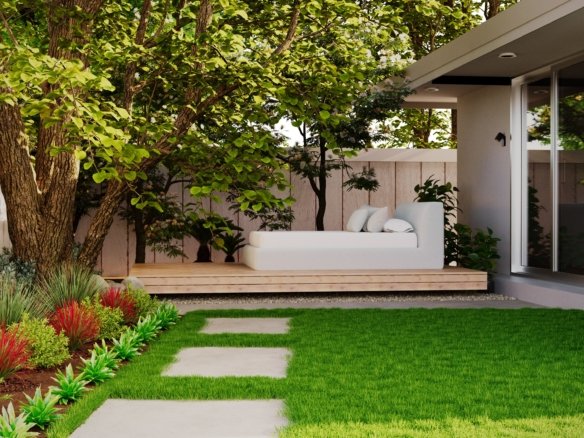
Privacy is another key consideration shaping outdoor space preferences. Homeowners are increasingly looking for ways to create intimate outdoor environments, away from prying eyes. Innovative landscaping techniques, such as strategic planting of trees and shrubs or the use of decorative screens, are being employed to ensure seclusion without compromising the overall aesthetic. This focus on privacy often intertwines with the desire for connectivity to nature, leading to the incorporation of native plants and natural elements that foster a deeper relationship with the environment.
Overall, the fundamental preferences of homeowners for outdoor living spaces reveal a nuanced understanding of comfort, style, privacy, and a connection to nature. These desires are essential in shaping the planning and design of outdoor environments, guiding trends for 2026 and beyond. As more homeowners recognize the importance of these aspects, the future of outdoor living spaces will undoubtedly reflect these evolving needs and aspirations.
Creating a Personal Retreat: Tips and Ideas
Transforming an outdoor living space into a personal retreat requires careful planning and consideration of individual preferences. Homeowners looking to create such a haven should first define the primary use of the space. Will it serve as a place for relaxation, entertaining guests, or a combination of both? Once the purpose is identified, the next step is to formulate a cohesive design that complements the surroundings while reflecting personal style.
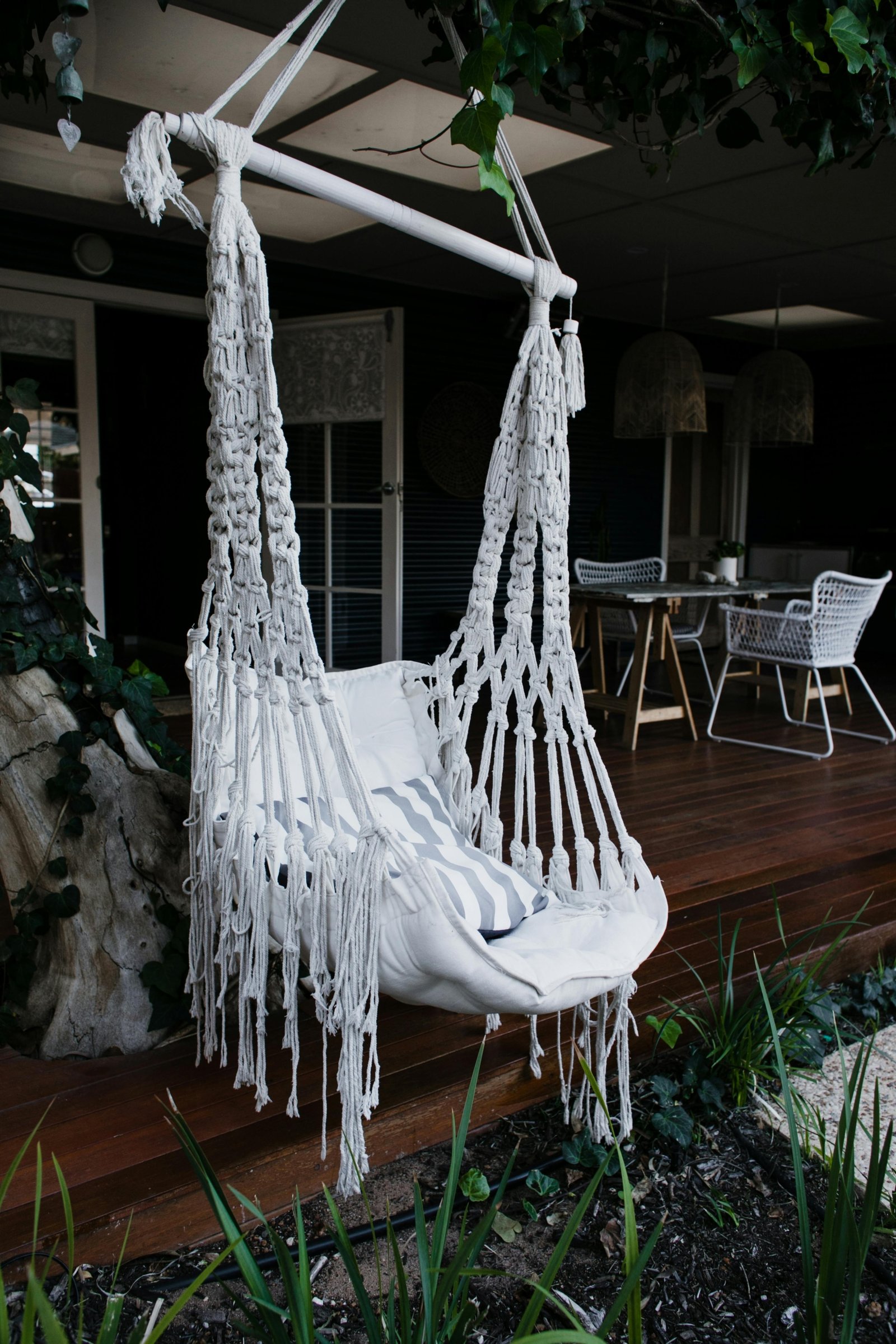
Incorporating comfortable seating options is fundamental to enhancing the outdoor experience. Consider adding lounge chairs, hammocks, or an outdoor sectional sofa to promote relaxation. Accessorize with plush cushions and throws to invite relaxation while also adding a touch of color. Shade solutions, such as pergolas or umbrellas, can help create a cozy environment that makes outdoor time enjoyable, even on sunny days.
Budget considerations are crucial when planning an outdoor living space. Creating a realistic budget that outlines major expenditures such as furniture, landscaping, and decor will help avoid overspending. DIY projects can be an excellent way to add personal touches without breaking the bank. For example, repurposing old furniture with paint or creating a fire pit can be both budget-friendly and unique, allowing homeowners to share their personality through the space.
Personalization is the key to making the outdoor area feel like a retreat. Homeowners can implement a range of design elements, from water features, such as fountains or small ponds, to customized lighting that sets the mood in the evening. Additionally, incorporating local plants or unique garden designs will enhance the natural aspect while attracting local wildlife, providing a tranquil setting. Garden art or personalized signage can serve as focal points, effectively showcasing individuality.
As homeowners embark on this journey of creating a personal retreat, they will find that the process not only transforms the physical space but also cultivates a connection to nature, community, and personal well-being.




Join The Discussion