
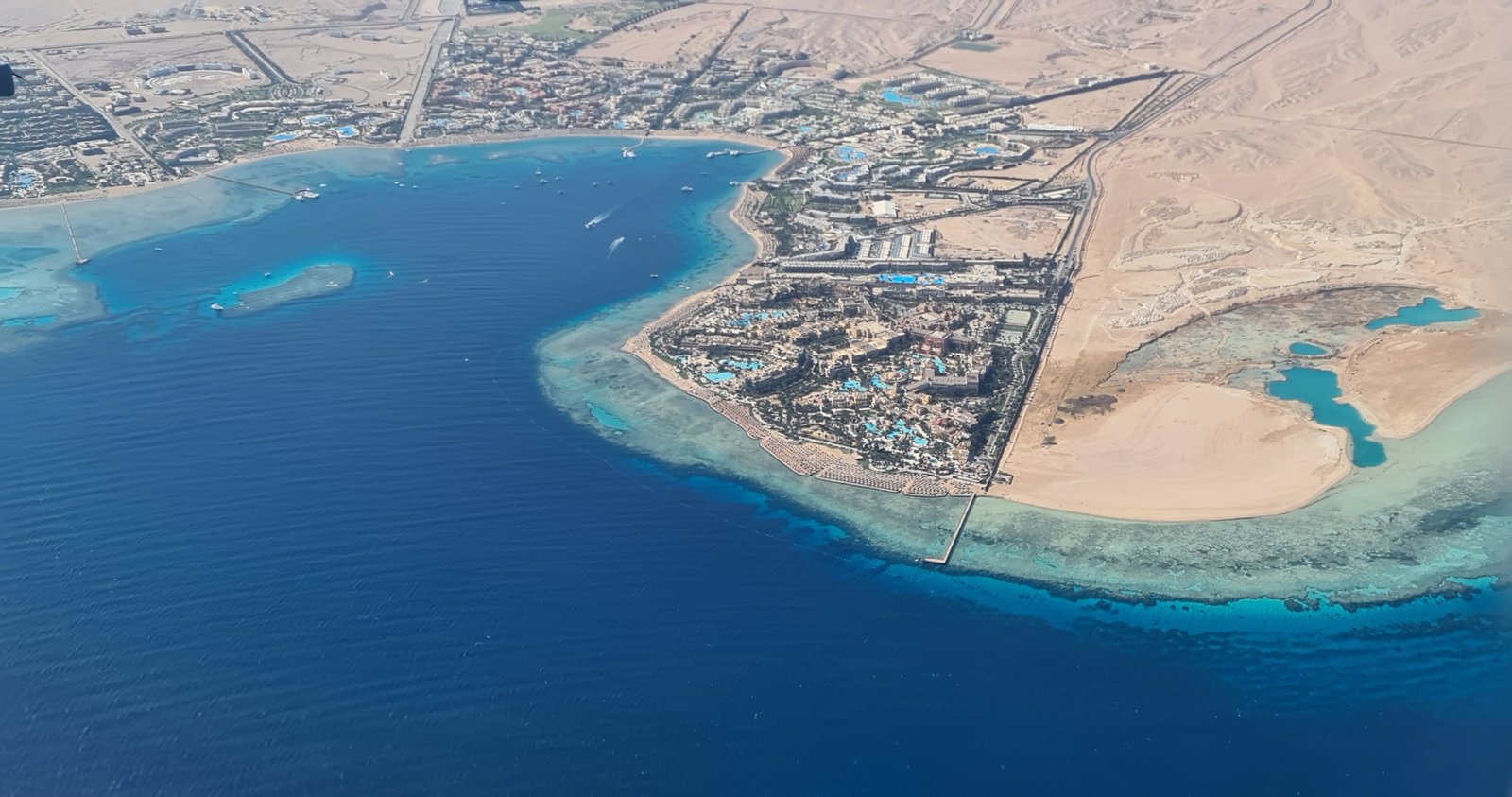
Ancient Origins: Abu Al Makhareg and Its Significance
The historical landscape of Makadi Bay, particularly the area known as Abu Al Makhareg, offers a fascinating glimpse into ancient civilizations that thrived along the Red Sea coast. This region was significant not only for its geographical advantage but also for its rich cultural heritage, which left an indelible mark on the area. Archaeological findings suggest that Abu Al Makhareg served as a vital trading hub during ancient times, facilitating the exchange of goods such as incense, textiles, and precious metals between diverse cultures.
Settlements found in this region indicate that its inhabitants engaged in various trades and developed a lifestyle that was both culturally and economically robust. The strategic location of Abu Al Makhareg fostered interactions between Egyptian traders and foreign merchants, leading to the amalgamation of different cultural practices. This interaction was pivotal in shaping the local culture, blending indigenous traditions with influences from neighboring regions.
Moreover, the ancient inhabitants of Abu Al Makhareg were adept at utilizing the natural resources of the surrounding area. They engaged in fishing, agriculture, and small-scale manufacturing, which contributed to their sustenance and facilitated trade. Artifacts recovered from excavations reflect their craftsmanship and artistic expressions, further underscoring the cultural significance of this locale.
Over the centuries, the contributions of these early settlers to trade and culture set foundations that echoed through time. Their influence can still be felt today, as the lush history of Abu Al Makhareg has played a significant role in transforming Makadi Bay into the global tourist destination it is recognized as today. Understanding the ancient origins of this area enriches our appreciation of its evolution and significance in contemporary society.
Transformation Through Time: The Evolution of Makadi Bay
Makadi Bay’s journey from a quaint fishing village to a renowned tourist destination underscores the significant transformations that have occurred in the region. Initially, this coastal area was characterized by its serene shores and vibrant marine life, fostering a lifestyle rooted in fishing and agriculture. The local community thrived on traditional practices, ensuring that the culture and customs of the villagers were intimately tied to the sea.
The first major turning point in this evolution can be traced back to significant changes in local governance during the late 20th century. The introduction of policies aimed at developing tourism infrastructure marked a shift in the resource allocation, prioritizing both economic growth and modernization. This governmental direction prompted investments in hotels, restaurants, and recreational facilities, effectively laying the groundwork for future developments.
The emergence of globalization further accelerated this transition. With increased access to international markets and communication, Makadi Bay began to attract a more diverse array of visitors, leading to a burgeoning hospitality industry. Local entrepreneurs seized opportunities to cater to the growing demand, thus transforming the landscape and economy of the region.
In tandem with these changes, advancements in infrastructure played a critical role. The improvement of road networks and the establishment of transportation links to nearby urban centers greatly facilitated access for tourists. Consequently, visitors could easily explore the bay’s natural beauty and cultural offerings, which in turn encouraged further development.
Throughout these transitions, the community of Makadi Bay has been faced with the challenge of balancing modernization with the preservation of local traditions. Many residents have sought to retain their cultural identity, integrating traditional practices into the tourism framework. As a result, the area has evolved into a destination that not only showcases its natural wonders but also honors the rich heritage of its origins.
Cultural Fusion: How Globalization Shapes Makadi Bay Today
Makadi Bay, once a tranquil fishing village, has undergone a remarkable transformation into a vibrant global destination. This evolution has been significantly influenced by globalization, which has interwoven local traditions with a plethora of international cultural elements. Today, the cultural landscape of Makadi Bay presents a captivating fusion of experiences that reflect both its indigenous heritage and the global influences introduced through increased connectivity and tourism.
The rise of tourism in Makadi Bay has facilitated an exchange of cultures that is evident in various facets of daily life. For example, international investment in local businesses has not only bolstered the economy but also introduced diverse culinary options. Visitors can now savor traditional Egyptian dishes alongside international fare, a testament to the area’s culinary evolution. Restaurants now offer a mix of Mediterranean, Asian, and Western cuisines, attracting a broader audience and enhancing the dining experience.
Furthermore, cultural festivals and events have begun to play a significant role in celebrating both local and global heritages. These occasions provide opportunities for community members and tourists alike to engage with different customs, music, and art forms. Festivals showcasing traditional Egyptian music and dance are now complemented by international performances, creating a vibrant atmosphere that honors the past while embracing the present. This synthesis fosters a deeper appreciation for cultural diversity among residents and visitors.
In conclusion, globalization has undeniably shaped the cultural framework of Makadi Bay, turning it into a melting pot of traditions that cherishes both local and external influences. The implications of this cultural fusion extend well beyond tourism, enriching the community’s identity and contributing to a dynamic, inclusive environment that continues to evolve.
Looking Ahead: The Future of Makadi Bay
As Makadi Bay transitions from a historical fishing village, Abu Al Makhareg, to a globally recognized tourist destination, its future trajectory appears to be both promising and challenging. The area has already witnessed substantial development, with resorts and recreational facilities emerging along its picturesque coastline. However, balancing growth with sustainability poses significant concerns for local governance and business stakeholders alike.
One of the pressing issues facing Makadi Bay is environmental sustainability. The rise in tourism and the associated infrastructural demands have led to increased pressure on local ecosystems. To address these challenges, local authorities are implementing sustainable practices aimed at preserving marine life and natural habitats. Initiatives such as waste management programs, conservation efforts for coral reefs, and regulations limiting construction in ecologically sensitive areas are being prioritized. Collaboration between municipal bodies, tourism operators, and environmental organizations signals a proactive approach towards ensuring that the natural beauty of Makadi Bay is maintained for future generations.
Moreover, the integration of sustainable tourism practices promises to not only protect the environment but also enhance the visitor experience. By promoting eco-friendly resorts and activities that showcase the area’s cultural heritage, Makadi Bay can attract a segment of tourists who prioritize responsible travel. This strategic positioning might help redefine the identity of the destination, allowing it to retain its historical roots while appealing to modern sensibilities.
In conclusion, the future of Makadi Bay hinges on its ability to embrace the duality of its past and present—a task that is not without its challenges. Nevertheless, the commitment to sustainability and responsible tourism stands to create a path forward that honors both its rich history and the evolving demands of the global tourism industry.
Curious about the hidden history of the Red Sea? Explore more fascinating stories behind Hurghada’s most iconic destinations and discover how places like Abu Al Makhareg evolved into world-famous Makadi Bay. Read more, learn more, and uncover Egypt’s coastal heritage today!



Join The Discussion