
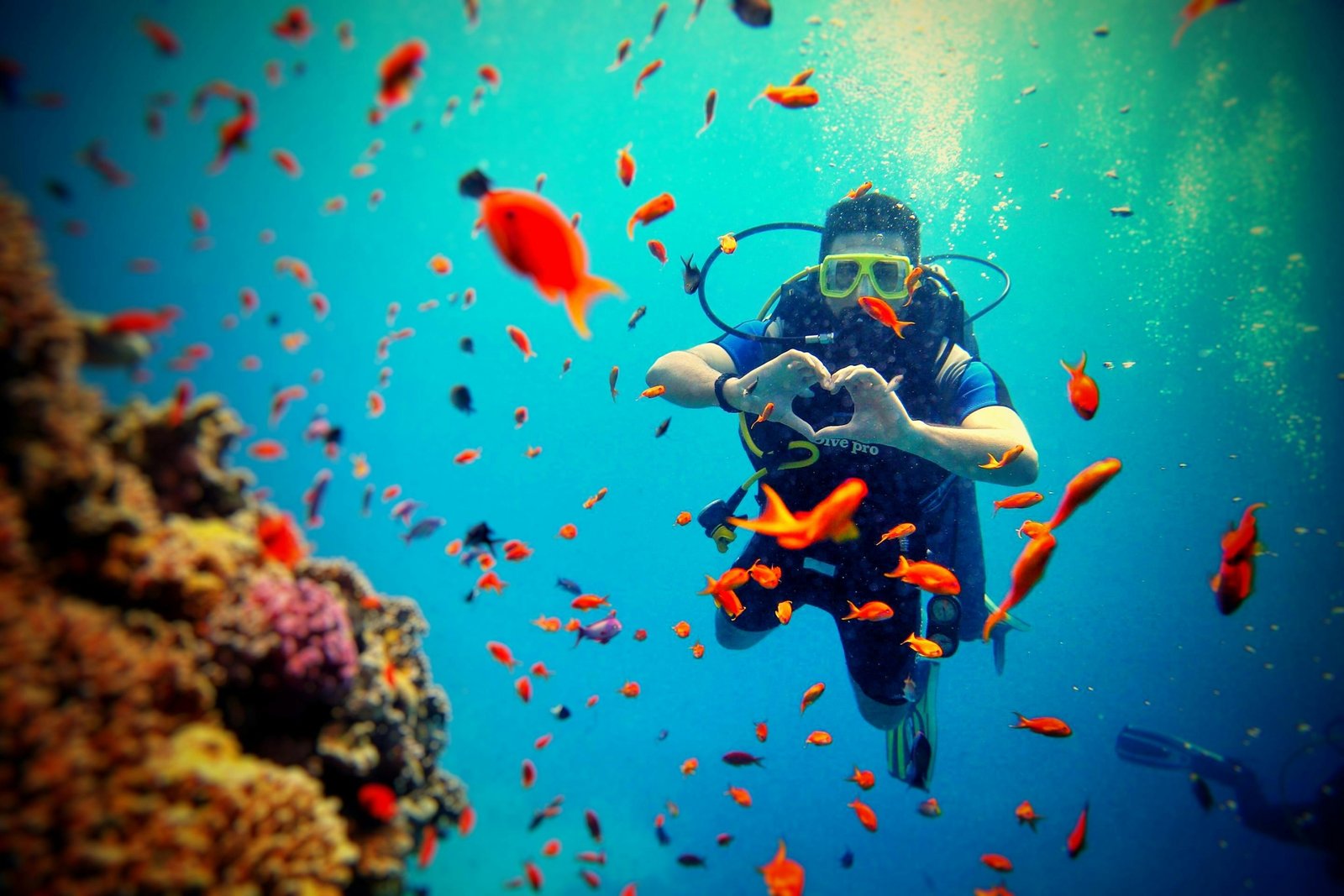
The Diverse Marine Life of the Red Sea
The Red Sea is renowned for its vibrant and diverse marine life and coral reefs, making it a crucial location for divers and marine enthusiasts alike. With over 1,200 species of fish, including both common and rare varieties, the ecosystem here is unique. Among the most celebrated inhabitants are the clownfish and angelfish, known for their striking colors and engaging behaviors. Clownfish, often seen in symbiotic relationships with sea anemones, are not only visually appealing but also play a role in maintaining the health of the coral reef ecosystems.
The coral reefs formations of the Red Sea further enhance its biodiversity. Coral species such as Acropora and Porites contribute to intricate structures that provide habitats for myriad marine organisms. These coral reefs serve as nurseries for fish, offering shelter and a breeding ground, which is paramount for sustaining fish populations. The uniqueness of the Red Sea coral reefs is attributed to several environmental factors, including its warm, saline waters, which create optimal conditions for coral growth.
Another aspect contributing to the remarkable biodiversity of the Red Sea is its geographical isolation. This body of water has been subjected to less human activity compared to other major oceans, allowing ecosystems to thrive with minimal disruption. Additionally, the Red Sea hosts a range of other marine organisms, from the multifarious invertebrates like starfish and sea urchins to larger species such as dolphins and manta rays. These organisms not only add to the underwater aesthetic but also play significant roles in their respective ecosystems, ensuring a balanced marine environment.
This rich tapestry of marine life and coral structures not only attracts divers but also emphasizes the importance of conservation efforts in preserving such an invaluable natural resource. The remarkable diversity found in the Red Sea highlights its status as a diver’s paradise, showcasing the intricate connections within underwater ecosystems.
Top Diving Locations in the Red Sea
The Red Sea is renowned for its exceptional diving sites, drawing divers from all over the world to experience its breathtaking underwater landscapes. Among the most popular locations are Sharm El Sheikh, Dahab, and the Brothers Islands, each offering unique dive conditions and diverse marine life.
Sharm El Sheikh stands out for its vibrant coral reefs and abundant marine species. The diving conditions here are generally excellent for both beginners and experienced divers, with visibility frequently exceeding 30 meters. Notable dive sites include the famed Ras Mohammed National Park, where divers can encounter a variety of fish, including the iconic clownfish and parrotfish, as well as possible dolphin sightings.
Dahab offers a more laid-back atmosphere, known for its easy-going diving experiences. The Blue Hole, a natural underwater sinkhole, attracts divers seeking adventure. It presents both thrilling wall dives and calmer shallow waters. Visibility in Dahab is also superb, often around 20-30 meters, making it an ideal spot for underwater photography. Marine life is abundant, featuring a range of soft coral reefs, sea turtles, and even giant moray eels.
The Brothers Islands, located farther from the coast, are distinguished for their dramatic underwater topography and strong currents that attract larger pelagic species. This locations are recommended for advanced divers due to the challenging conditions. Visibility can be phenomenal, reaching up to 50 meters. Divers here often see hammerhead sharks, barracudas, and other large fish. Planning a trip between May and September is optimal due to the warmer waters and increased chances of encountering the diverse marine life.
Regardless of the chosen destination in the Red Sea, divers are encouraged to respect marine ecosystems and adhere to safety guidelines. Each site holds unique features that leave a lasting impression, making this region a true diver’s dream.
Wreck Diving: Exploring the History Beneath the Waves
The Red Sea is renowned not only for its vibrant coral reefs but also for its intriguing maritime history, encapsulated within its famous wrecks. Among these, the Thistlegorm and the Salem Express stand out as significant dive sites, each telling a compelling story etched in time.
The Thistlegorm, a British cargo ship sunk during World War II, is one of the most celebrated wreck diving locations in the Red Sea. Situated near Sha’ab Ali, this ship met her fate in 1941 when it was bombed by German forces. Divers exploring the wreck can expect to see a treasure trove of historical artifacts such as military vehicles, ammunition, and motorcycles, all of which remain remarkably preserved within the ship’s once-bustling cargo holds. The surrounding marine life, including schools of fish and vibrant corals, has brilliantly embraced this piece of history, creating a mesmerizing underwater ecosystem.
Another notable wreck is the Salem Express, a ferry that sank in December 1991, resulting in tragic loss of life. Located near the town of Safaga, it presents a poignant reminder of the past. The dive experience here allows divers to navigate through the ship’s interior, witnessing lifeboats, personal belongings, and remnants of the ship’s structure. This site not only provides a unique diving adventure but also emphasizes the importance of respecting maritime history and the lives affected by such maritime disasters.
Wreck diving in the Red Sea offers a unique lens through which divers can appreciate maritime history while enjoying the beauty of underwater life. Each dive is an invitation to witness firsthand the fusion of human endeavor, historical events, and marine ecosystems, making the Red Sea a veritable paradise for those seeking to explore the depths beneath its azure waters.
Safety and Eco-Diving Practices
Diving in the Red Sea presents a unique opportunity to explore vibrant coral reefs and historical shipwrecks, yet it is essential to prioritize safety and environmental conservation while pursuing these experiences. Divers should familiarize themselves with local regulations that govern the area, ensuring compliance with dive site protocols and protection of marine biodiversity. It is crucial for divers to carry appropriate safety equipment, such as dive knives and signaling devices, and always dive in pairs or groups, allowing for immediate assistance in case of emergencies.
Training through recognized diving agencies is highly recommended, as it emphasizes safe diving practices and equips divers with essential skills to manage potential hazards. Many local dive schools offer courses tailored for the Red Sea, focusing on awareness of unique underwater challenges specific to the region, such as strong currents and marine life encounters. These schools also encourage divers to participate in eco-friendly initiatives, promoting a responsible diving approach.
Eco-diving practices play an important role in preserving the Red Sea’s delicate marine ecosystems. Divers should avoid touching coral, as even slight contact can cause long-term damage to these vital structures. Additionally, maintaining buoyancy control is essential to prevent accidental damage to the seafloor and marine life. It is also advisable to refrain from collecting souvenirs, such as shells or coral pieces, which can disrupt the local environment.
Choosing dive operators who actively promote eco-friendly policies can further contribute to the conservation efforts in the Red Sea. Dive schools that participate in marine conservation projects, offer guided dives focused on education about the underwater ecosystem, and engage in beach clean-ups are invaluable resources for divers wishing to explore while making a positive impact.



Join The Discussion