
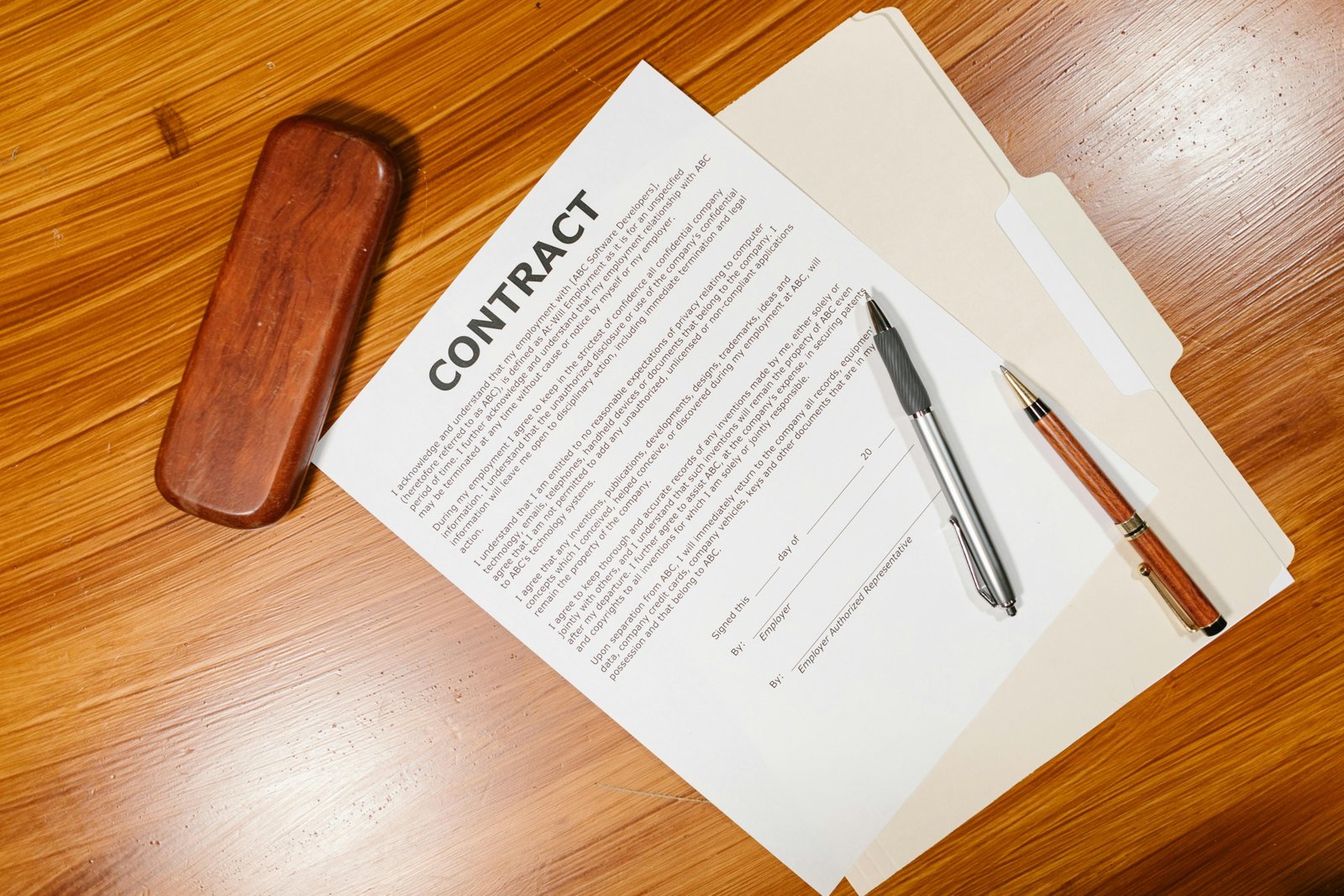
Buying Property in Egypt Law: A 2026 Guide for Foreigners
Buying a home abroad is a major milestone, but it often comes with a cloud of legal uncertainty. For those looking at the Red Sea, understanding the buying property in Egypt law is the first step toward a secure and profitable investment. In 2026, Egyptian property laws remain very welcoming to foreigners, offering Freehold ownership and clear paths to legal residency.
Here is everything an international buyer needs to know to ensure a 100% safe transaction.
1. Can Foreigners Truly Own Property in Egypt?
Yes. Under the buying property in Egypt law, foreigners have the right to own property for residential purposes. Most developments in Hurghada, Sahl Hasheesh, and El Gouna are built on “Freehold” land, meaning you own the land and the building forever. Unlike some other countries that only offer long-term leases, Egypt allows you to sell, rent, or pass your property on to your heirs.
2. Signature Validity vs. The Green Contract
This is the most critical part of the buying property in Egypt law to understand. There are two primary ways to secure your title:
-
Signature Validity (Sehat El Tawkia): This is a court-certified process where a judge confirms that the seller’s signature on your contract is genuine. It is the most common, fast, and cost-effective method used in Hurghada. It provides strong legal protection for your possession of the unit.
-
The Green Contract (Registered Title): This is the highest form of registration, similar to a title deed in Europe. It is a longer process and requires the entire building or project to be registered. While not every property in Hurghada has a Green Contract, many investors choose to start the process after purchase to maximize their property’s resale value.
3. The Power of Attorney (Tawkeel)
In Egypt, the Tawkeel is a vital document. When you buy a property, the seller issues a specific Power of Attorney in your name at the “Shahr El Akari” (Notary Public). This document grants you the right to deal with the property, sell it to yourself or others, and register utilities (electricity and water) in your name. Never complete a purchase without a valid, specific Tawkeel.
4. Taxes and Costs for Foreign Buyers
One of the most attractive parts of the buying property in Egypt law is the low tax burden:
-
Real Estate Tax: Property tax is generally very low, often around 0.1% of the property value annually, with many residential units being exempt if they fall under a certain valuation.
-
Registration Fees: These vary depending on the size of the unit but are significantly lower than “Stamp Duties” found in the UK or Europe.
-
No Capital Gains Tax for Individuals: Currently, Egypt does not levy capital gains tax on the profit you make when selling your residential property as an individual.
5. Why You Need an Expert Broker
Navigating a foreign legal system can be daunting. At Knight Properties, we act as your first line of defense. We conduct a “Full Legal Audit” on every listing, checking:
-
The developer’s ownership of the land.
-
The building license and permits.
The chain of previous contracts to ensure a “Clean Title.”
Frequently Asked Questions (FAQ) about Property in Hurghada
Q: Can I buy property in Hurghada remotely? A: Yes, many of our international clients complete their purchases via a secure remote process. We provide live video tours of the units (like Unit A-G21) and handle the legal paperwork through verified Power of Attorney (Tawkeel), which can be processed at your local Egyptian consulate.
Q: What are the maintenance fees (Service Charges) like? A: Maintenance fees in Hurghada typically range from 8% to 10% of the property price as a one-time lifetime payment, or an annual fee depending on the resort (e.g., Nubia Resort or Bella Bay). This covers pool maintenance, security, and cleaning.
Q: Is there a capital gains tax when I sell my property? A: For individual foreign owners in Egypt, there is currently no capital gains tax on the resale of residential property, making it one of the most tax-efficient markets globally in 2026.
Conclusion
The buying property in Egypt law is designed to encourage foreign investment, making Hurghada one of the safest emerging markets in the world. By following the correct legal steps and working with a verified agency, you can enjoy your sun-drenched home with total peace of mind.




Join The Discussion