
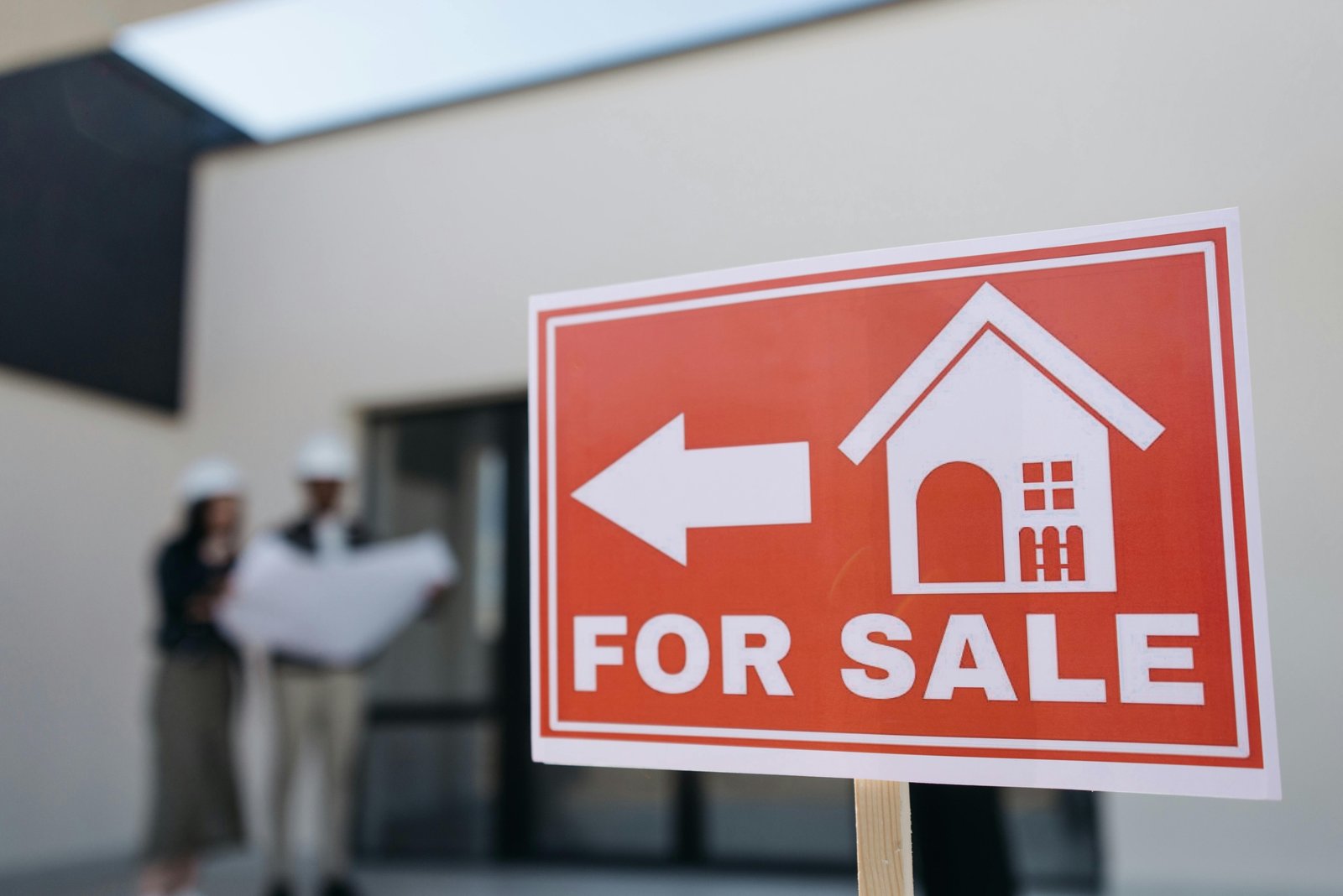
Understanding Home Staging
Home staging is the art of preparing a residence for sale in the real estate market. This process involves strategically arranging furniture, decor, and even the overall layout to make the property more appealing to potential buyers. While the concept of staging dates back decades, gaining significant traction in the 1970s, it has evolved into a pivotal element of home selling in today’s market.
The primary goal of home staging is to highlight a home’s strengths while minimizing any weaknesses. This involves depersonalizing the space; potential buyers are more likely to envision themselves in a home that is free from the current owner’s personal items. By removing family photos, heirlooms, and other personal memorabilia, the staging process creates a neutral canvas that allows potential buyers to project their own lifestyle onto the home.
Psychologically, well-staged homes can elicit emotional connections, influencing buyers’ decisions. When a home presents itself as warm and inviting, it generates a sense of comfort and possibility. Staged homes not only showcase the functionality of the space but also enhance its overall attractiveness. Highlights, such as well-maintained gardens or spacious living areas, are emphasized through layout adjustments and careful decor choices, which can sway prospective buyers favorably.
Furthermore, studies have indicated that staged homes tend to sell faster and often at a higher price compared to unstaged counterparts. The right staging transforms a property into a desirable product, appealing not only to the senses but also to the aspirations of the buyers. Consequently, understanding the fundamentals of home staging is essential for sellers looking to ensure their home stands out in a competitive market.
The Benefits of Home Staging in a Competitive Market
In the competitive landscape of real estate, particularly in 2026, the importance of home staging cannot be overstated. Effective staging not only enhances the aesthetic appeal of a property but also plays a pivotal role in increasing its perceived value. According to recent studies, professionally staged homes can sell for 17% more than those that are not staged. This significant price difference underscores the financial benefits of investing in home staging.
Staging also contributes to a faster sale. A well-staged home can reduce the time a property spends on the market by as much as 50%. In a thriving real estate market, where buyers have higher expectations and are often faced with numerous choices, staging acts as a differentiator. It allows prospective buyers to envision themselves living in the space, which is critical in forming an emotional connection that can lead to a swift negotiation process.
Moreover, staging can attract a broader range of potential buyers. By showcasing a home in its best light, staging emphasizes the property’s strengths and downplays any weaknesses, making it more appealing to various demographics. For instance, a staged home might appeal to families looking for a cozy environment, while modern decor can attract younger buyers. As a result, staging aligns the property with the expectations and tastes of different buyer segments, thereby expanding the market reach.
In summary, home staging proves to be an invaluable strategy in 2026’s competitive real estate landscape. By enhancing perceived value, expediting the sale process, and appealing to a diverse audience, staging significantly boosts the likelihood of achieving a successful real estate transaction. Investing in professional staging services may well be a determining factor in securing a desirable selling price and minimizing time on the market.
Tips for Successful Home Staging
Staging a home effectively is crucial for attracting potential buyers and can significantly influence the speed at which a home sells. One of the first steps in this process is decluttering the space. Homeowners should remove personal items, excess furniture, and any clutter that distracts from the home’s best features. A clean, organized environment allows buyers to envision themselves in the space and appreciate the layout. Organizing closets and storage areas also creates an impression of ample storage, which is often a deciding factor for many buyers.
Strategic furniture placement is another key element in home staging. Furniture should be arranged to create inviting pathways for easy navigation through the home. It is advisable to avoid overcrowding spaces; instead, focus on showcasing each room’s purpose. For example, in the living room, position sofas and chairs to create a conversational area. Additionally, removing bulky furniture can open up the space, giving it a larger and more spacious feel.
Color and lighting play significant roles in setting the ambiance of a home. Utilizing neutral colors can appeal to a wider audience, while soft, inviting hues can enhance warmth. Expertly chosen paint colors can also make spaces feel more expansive. Lighting, both natural and artificial, should be optimized to highlight architectural details throughout the home. This can be achieved by opening curtains or blinds while also using strategically placed lamps to create a harmonious glow in dimly lit spaces.
While some homeowners may choose to stage their homes themselves, consulting with professional stagers can yield substantial benefits. Professionals bring experience and a keen eye for detail, allowing for a polished presentation that reflects current market trends. Although DIY staging can save costs, it is essential to weigh these savings against the potential for a longer sale duration, especially in competitive markets. In general, investing in professional staging can expedite the selling process and contribute to achieving a favorable sale price.
Case Studies and Real-Life Success Stories
Home staging has proven to be an effective strategy for selling homes more swiftly and at higher prices. A notable example can be found in a case study involving a suburban family home. Prior to staging, the property sat on the market for over eight months without attracting serious buyers. After the owners engaged a professional stager, the transformation was remarkable. The living room was cleared of personal items, allowing potential buyers to visualize their lifestyle in the space. Following the staging, the house sold within two weeks at a 10% higher price than the original listing.
Another compelling example occurred with a downtown condo that initially received little interest. The seller decided to stage the property, emphasizing its chic urban vibe. The stager highlighted the condo’s views and space by rearranging furniture and incorporating decor that appealed to city dwellers. This change made a significant impact; the property attracted multiple offers within days of being relisted, ultimately selling for 15% above the initial asking price.
Insights from real estate agents further illuminate the advantages of staging. One agent noted that homes that are professionally staged often receive more favorable feedback from buyers, who appreciate the clear presentation of potential. Additionally, agents reported that staged homes often lead to faster sales, which can reduce the stress associated with a prolonged listing period. Increased competition among buyers also tends to drive up final sale prices, making staging a win-win situation.
By leveraging the benefits of staging, homeowners can significantly enhance the appeal of their properties, paving the way for quicker sales and increased financial returns. These real-life success stories serve to illustrate the profound impact that staging can have on the home selling experience.
Ready to sell your house faster and attract serious buyers? Discover how professional home staging can maximize your property’s value and help you secure the best possible offer today.



Join The Discussion