
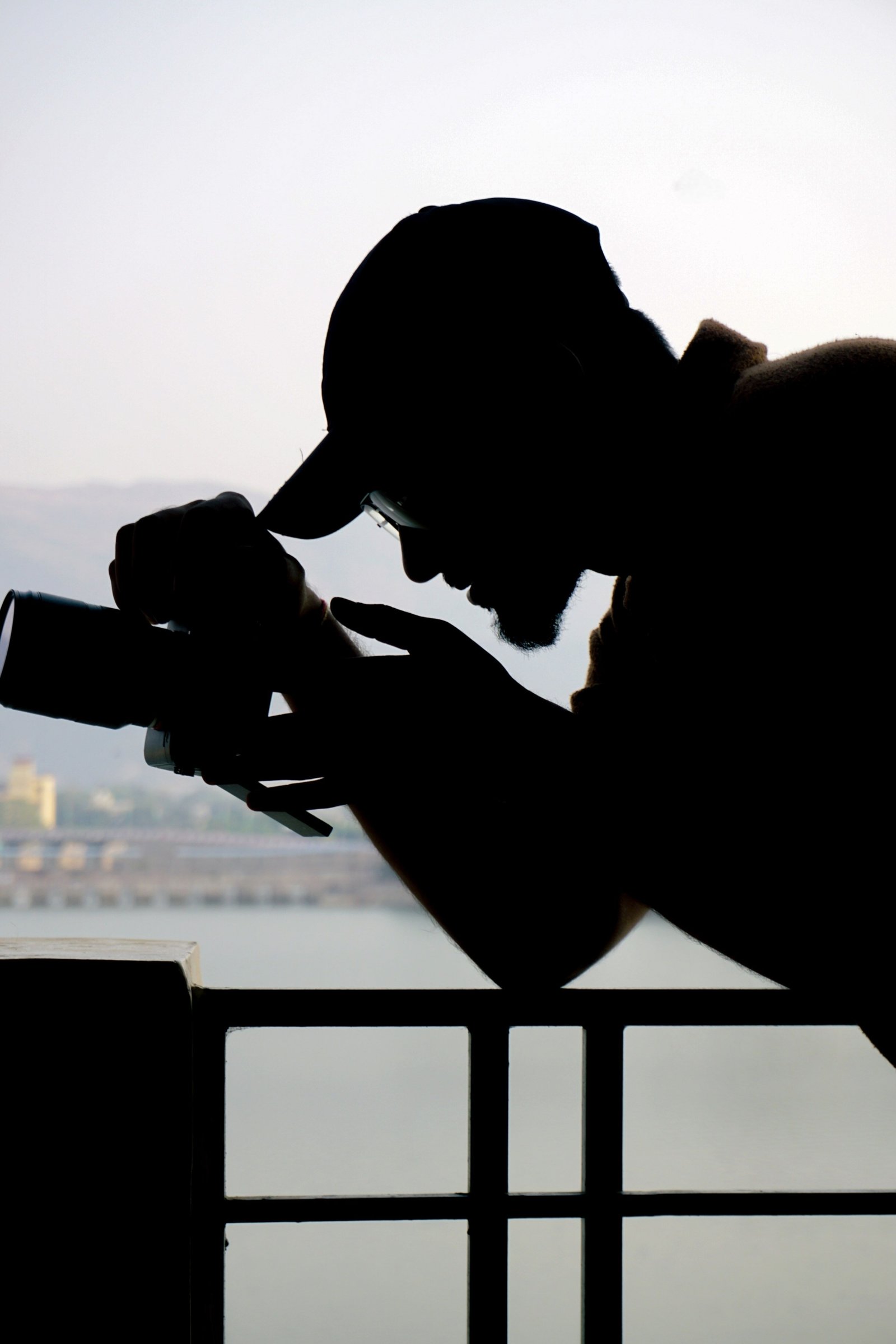
Mistake #1: Not Planning Ahead
Effective project photography is grounded in thorough planning, as it plays a crucial role in facilitating successful shoots. Failing to adequately plan ahead can result in missed opportunities to capture compelling images, uninspired compositions, and shots that do not meet the project’s objectives.
Pre-visualization is a vital step that allows photographers to envision the final outcome of their work before even pressing the shutter button. This involves considering various aspects such as lighting conditions, composition, and subject matter. To avoid the pitfalls of inadequate planning, photographers should create a detailed plan that outlines the goals of the project, the desired outcomes, and the narrative to be conveyed through the photos.
One effective approach to planning is scouting the locations beforehand. Visiting potential sites helps in assessing the environment, understanding the lighting and time of day, and identifying appealing angles to capture. This proactive strategy not only enhances creativity but also reduces the chances of undesirable surprises on the actual shoot day.
In addition to location scouting, it is essential to evaluate equipment needs. This includes checking camera settings, ensuring lenses are appropriate for the subject, and preparing necessary accessories, such as tripods, reflectors, or external flashes. Being well-prepared can greatly enhance the quality of the photographs and improve overall efficiency during the shoot.
Setting clear objectives for the photoshoot is equally crucial. Defining what needs to be accomplished within the set timeframe can help keep the photographer focused and on track. This methodical approach ultimately enhances the likelihood of capturing striking images that genuinely resonate with the intended vision. By planning ahead, photographers can transform potential mistakes into rewarding opportunities, thereby maximizing their creative output.
Mistake #2: Ignoring Lighting Conditions
Lighting is a pivotal element that can dramatically influence the quality of project photography. One of the common mistakes made by photographers is shooting at unsuitable times of day. For instance, photographing during the harsh midday sun can result in unflattering shadows and blown-out highlights. To mitigate this, consider shooting during the golden hours—early morning or late afternoon—when the softness of natural light creates a more pleasing aesthetic.
Another frequent oversight is the neglect of artificial lighting options. Relying solely on natural light might not be feasible at various times, especially indoors or during overcast conditions. Using external flash units or LED lights can enhance your photographs significantly by providing consistent lighting. Moreover, understanding how to manipulate these tools, such as adjusting the intensity and direction of your artificial light sources, can help create a more controlled environment.
Additionally, a comprehensive understanding of natural light dynamics plays a crucial role in achieving desirable results. Photographers should be aware of how light changes in color temperature throughout the day, which can affect the overall mood of a photograph. Utilizing reflectors can redirect sunlight, filling in shadows and creating balance. Similarly, diffusers aid in softening harsh light, producing a more harmonious look. By effectively employing these strategies and being attentive to the lighting conditions, photographers can significantly elevate the quality of their project photography.
Mistake #3: Overlooking Composition Rules
In the realm of project photography, adhering to composition rules is fundamental in creating visually appealing and impactful images. One common misstep that many photographers encounter is the tendency to center their subjects. While this can sometimes produce a straightforward image, it often lacks dynamism and can lead to a less engaging viewer experience.
A key principle to consider is the rule of thirds. This guideline suggests that dividing the frame into nine equal segments creates opportunities for more interesting and balanced photographs. By positioning subjects at the intersection points of these lines, photographers can draw attention to the subject while maintaining visual interest in the surrounding elements.
Another frequent oversight in project photography is the failure to utilize leading lines. These are natural lines within the scene that can guide the viewer’s eye towards the subject. They can be found in architectural elements, roads, or even natural formations like rivers. Active framing of shots that incorporates these leading lines can dramatically enhance the viewer’s engagement and help in effectively conveying the narrative of the project.
Furthermore, experimenting with various angles can transform a mundane shot into one that captivates the audience. Rather than sticking to eye-level perspectives, try shooting from a low or high vantage point. This not only adds depth to an image but also offers a fresh perspective that can invigorate the project’s story.
By consciously applying these compositional techniques and being aware of common mistakes, photographers can elevate their project photography from standard to exceptional. Strong composition ultimately serves to enhance the overall message and impact of the photographic work, making attention to these details crucial for any aspiring photographer.
Mistake #4: Forgetting Post-Production
Post-production is an essential phase in the photography process that often gets overlooked, particularly by those new to project photography. There is a common misconception that a quality photograph should be flawless right out of the camera. While achieving a good base image is important, the reality of photography is that even experienced photographers must edit their work to reach its full potential. This is where the significance of editing comes into play.
Using editing software can transform average images into exceptional ones. After a shoot, it is critical to utilize post-production techniques to enhance the visual impact of your photographs. This may involve adjusting exposure, contrast, and color balance to achieve a more balanced and pleasing aesthetic. Furthermore, retouching can correct minor imperfections such as lens distortion, blemishes, or distracting elements in the frame, ensuring that the final product aligns with your creative vision.
Additionally, maintaining a consistent style is vital when working on multiple images within a single project. By establishing a post-production workflow that includes specific presets or color grading techniques, you can create a unifying theme across your portfolio. This level of consistency not only gives your photographs a professional quality but also establishes your unique artistic identity.
In conclusion, post-production is not simply a one-time effort; it plays a crucial role in refining your project photography. By embracing the editing process, you can address initial mistakes and elevate your images, ultimately showcasing your skills as a photographer. Recognizing the importance of this step will enhance your storytelling ability and improve the overall quality of your work.
Ready to showcase your project with stunning photography? Follow our expert tips to capture professional images that attract buyers, boost engagement, and elevate your real estate marketing.



Join The Discussion