

The 2026 Housing Market
The real estate landscape is continuously evolving, influenced by a myriad of economic indicators and societal trends. As we look ahead to the 2026 housing market, it is vital to understand the current dynamics that are shaping buyer expectations. Over the past few years, buyers have experienced a volatile market characterized by rapid price appreciation, limited inventory, and fluctuating interest rates. These elements have created an environment filled with both opportunities and challenges for prospective homeowners.
In recent cycles, we have seen significant changes in homebuyer demographics and preferences. Millennials and Gen Z, now the predominant buying cohorts, are exerting substantial influence on market trends, prioritizing factors such as sustainability, technology, and proximity to urban centers. This evolving buyer profile is likely to shape the housing market landscape for years to come, as these generations mature and enter the market in increasing numbers.
An additional crucial element in the housing market outlook for 2026 is the broader economic context in which it operates. Economic recovery post-pandemic, combined with inflationary pressures, raises questions about the sustainability of recent price trends. Furthermore, governmental policies and economic strategies in response to these market conditions will play a significant role. Interest rates, regulatory changes, and housing supply initiatives must all be taken into account by buyers and investors alike.
Among the challenges that homebuyers face today, affordability remains at the forefront. With real estate prices having soared in recent years, many prospective buyers are finding it increasingly difficult to enter the market. As we prepare to explore specific market predictions and expectations for 2026, it is essential to consider these foundational trends and challenges that will undoubtedly influence the behavior of buyers in the near future.
Stable Interest Rates: What Buyers Can Anticipate
As we look ahead to the 2026 housing market, the prediction of stable interest rates for mortgages remains a significant topic of discussion among potential homebuyers. Over the past few years, shifting economic conditions have resulted in fluctuating interest rates, which have often confused buyers. However, experts forecast that, by 2026, these rates will likely stabilize due to a combination of central bank policies, ongoing inflation trends, and the overall economic outlook.
The Federal Reserve plays a critical role in determining mortgage rates, primarily through adjustments to the federal funds rate. In a bid to curb inflation, the central bank often raises interest rates, which can lead to higher mortgage costs for buyers. However, forecasts suggest that as inflation gradually stabilizes, the Fed may maintain a steady approach, resulting in less volatility in mortgage interest rates. Buyers can anticipate that the rates will not fluctuate dramatically, unlike previous periods.
Furthermore, the economic outlook is a vital element influencing mortgage rates. As the economy improves and consumer confidence grows, lenders may adopt a cautious but consistent approach to setting rates. This broad stability can provide homebuyers with a clearer understanding of their financial commitments and budgeting strategies moving forward. Thus, while potential homebuyers may have hoped for lower interest rates, the reality could be a landscape of steadiness that has its own advantages.
Overall, understanding the implications of stable interest rates is crucial for potential homebuyers. By preparing for a market characterized by consistent mortgage rates, buyers can make informed decisions and develop realistic financial plans. Balancing expectations with the realities of the market is essential as buyers navigate their way towards making a well-informed investment in housing.
Inventory Shortages: The Continuing Challenge for Buyers
The housing market is currently facing persistent inventory shortages, which are expected to continue impacting potential buyers in 2026. These shortages arise from multiple interconnected factors, including construction slowdowns, stringent zoning laws, and the growing prevalence of investment properties that further constrain housing availability.
Construction slowdowns are primarily driven by labor shortages and rising material costs. These issues have resulted in fewer new homes being built each year, leaving the demand-supply gap increasingly wide. As labor and materials become more expensive, homebuilders often delay projects, exacerbate existing shortages, and ultimately fail to meet the growing demand for housing. This trend is particularly challenging for first-time homebuyers who depend on affordable entry-level homes to enter the market.
Zoning laws also play a significant role in the inventory constraints. Many areas have restrictive zoning regulations that limit the types and numbers of homes that can be constructed. Consequently, areas that could potentially support higher-density housing are often locked into single-family home developments, further diluting the options available for prospective buyers. This regulatory bottleneck not only impacts new constructions but also influences the resale market by limiting the turnover of existing homes.
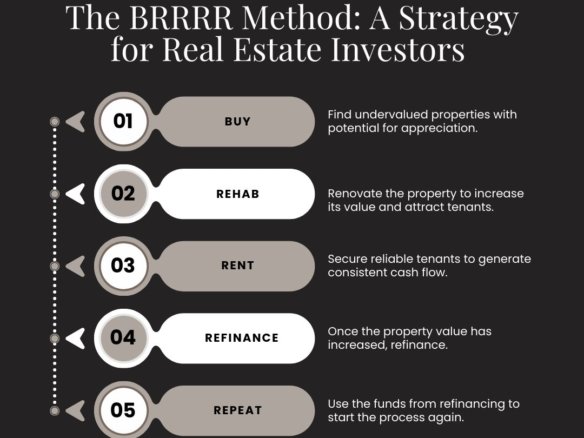
Investment properties have emerged as another factor contributing to the inventory shortfall. With increasing numbers of homes being purchased for rental purposes, individual buyers often find themselves outbid in competitive markets. This phenomenon creates an environment where fewer homes are available for those who wish to occupy them, raising expectations of competition in future market scenarios.
For many buyers, particularly first-time homeowners and those looking to upgrade their residences, understanding these persistent inventory shortages is paramount. It’s crucial to recognize that the market dynamics may not shift drastically within the next few years, necessitating strategic planning and realistic expectations when navigating the complex landscape of home buying in 2026.
Affordability Constraints: What Buyers Must Accept
The issue of affordability in the housing market remains a significant challenge for prospective homebuyers, and this trend is not expected to change in the near future. As we look towards 2026, it is crucial for buyers to acknowledge that high housing prices relative to income will likely persist. A multitude of factors contributes to this ongoing affordability crisis, with geographic location playing a pivotal role. In many urban areas, housing demand far exceeds supply, which exacerbates price inflation and limits the availability of affordable housing options.
Furthermore, economic conditions, including interest rates and inflation, directly influence housing affordability. Despite fluctuations in the market, elevated borrowing costs may deter potential buyers from entering the market. As inflation remains a concern, it is likely that wages will struggle to keep pace with the rising costs associated with homeownership, making it increasingly difficult for individuals and families to secure a property within their budget.
In light of these challenges, financial preparedness and realistic budgeting are essential components for prospective buyers. It is imperative to assess one’s financial situation meticulously, taking into account factors such as savings for a down payment, potential monthly mortgage payments, and additional costs related to home ownership, including property taxes and maintenance fees. Creating a budget that accurately reflects one’s financial capabilities will empower buyers to make informed decisions amidst the competitive landscape.
As the housing market evolves, understanding the constraints of affordability will be critical. Buyers should focus on developing strategies that allow them to navigate this environment effectively, including exploring diverse housing options, and remaining flexible in their preferences. By approaching the housing market with a well-informed mindset and realistic expectations, buyers can better position themselves for success, even amid persistent affordability challenges.
Housing market opportunities are still out there—start your property search today.




Join The Discussion