
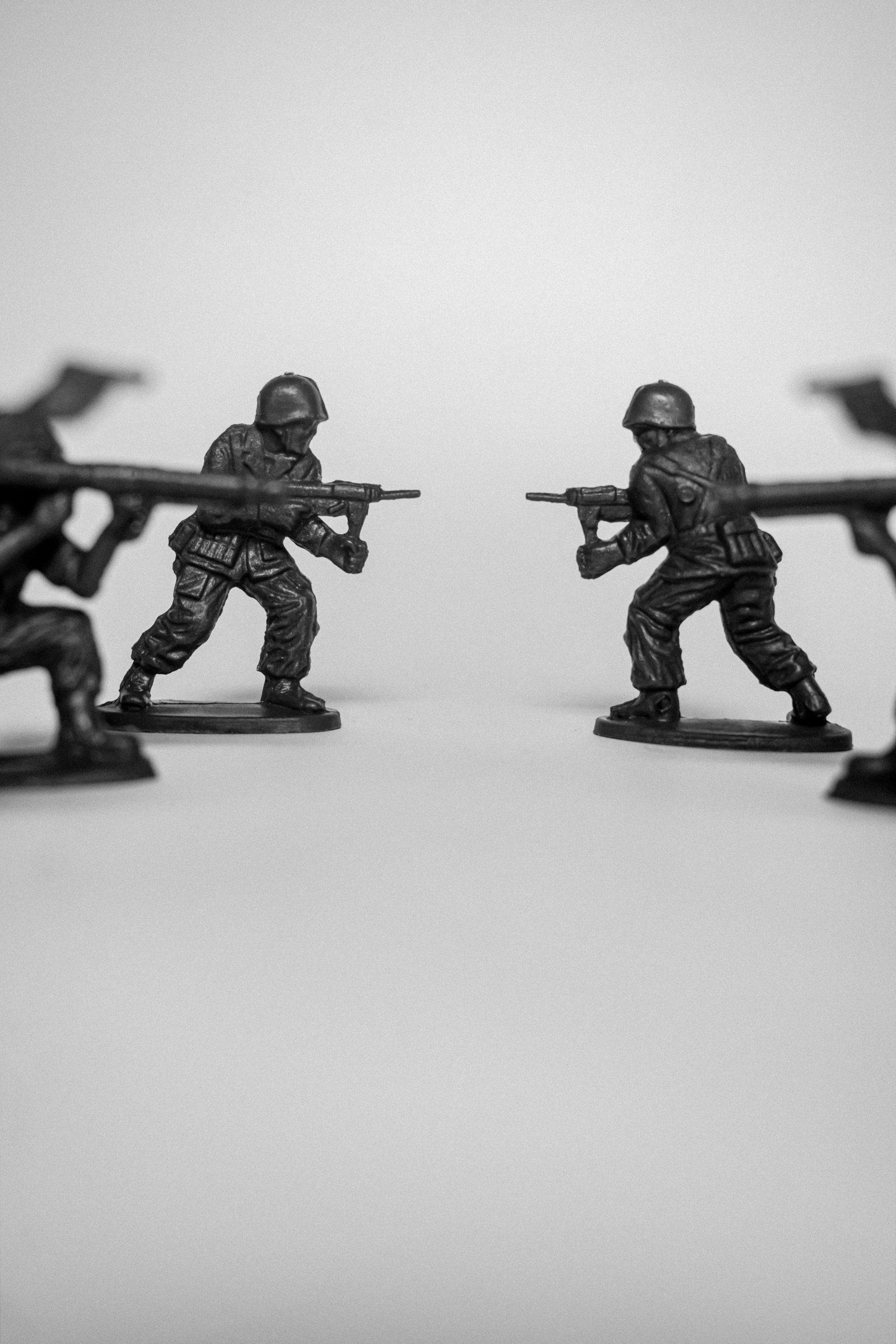
The Historical Context of War
Throughout history, warfare has played a crucial role in shaping societies, nations, and the global landscape. The evolution of warfare can be traced from the rudimentary battles among ancient tribes to the complex military strategies used in contemporary conflicts. The factors that have historically led to wars are diverse, but they often center around territorial disputes, economic interests, and political ideologies.
One of the earliest recorded instances of warfare is the Sumerian conflicts around 3000 BCE, where competition over land and resources initiated confrontations. Similarly, classic examples from Greco-Roman history, such as the Peloponnesian War, highlight how alliances and power struggles can escalate into prolonged conflicts. Economic motivations frequently underpin these altercations, such as the desire for control over trade routes and resources, as seen during the Crusades or the colonial wars of the 18th and 19th centuries.
Political ideologies have also played a significant role in the catalyst for war. The ideological clashes between monarchism, fascism, communism, and democracy culminated in global conflicts such as World War I and World War II. These wars were not only battles for land but also contests for the supremacy of certain political systems, which profoundly influenced the course of human history. The lessons learned from these key historical wars reveal patterns that recur over centuries, indicating that while technology and strategies may change, the root causes of conflict often remain remarkably consistent.
In examining the complexity of war, it becomes evident that understanding the historical context is essential. By analyzing past conflicts, we can recognize common themes and essential lessons that may inform current and future efforts toward achieving a more peaceful world.
The Causes of War
Understanding the multifaceted causes of war involves examining an interplay of political, social, and economic factors that drive nations or groups into conflict. Scholars have long studied these dimensions, identifying various theories that elucidate the complexities of warfare.
One prominent theory is the security dilemma, which suggests that when one state enhances its security, neighboring states perceive it as a threat, prompting them to increase their military capabilities in response. This cycle of insecurity can escalate tensions, often resulting in armed conflict. Historical examples include the arms race preceding World War I, where nations bolstered their military forces out of fear, ultimately leading to a catastrophic war.
Economic factors also play a crucial role. Resource scarcity is a critical driver of conflict, as competition for limited resources such as water, arable land, and minerals can ignite hostilities. The conflict in Darfur, for example, highlights how drought and resource competition among various ethnic groups contributed to one of the most devastating humanitarian crises of the early 21st century. The environmental degradation and economic frustrations in such instances often lead to unrest and violence.
Social grievances, including ethnicity and nationalism, can escalate tensions and lead to war as well. Political scientists have studied civil wars and ethnic conflicts, particularly in regions like the former Yugoslavia, where deep-seated historical animosities culminated in brutal warfare. The mobilization of nationalist sentiments often coalesces around the idea of ethnic identity, which can lead to discord and bloodshed.
In summary, the causes of war are deeply rooted in a complex matrix of political, social, and economic factors. Analyzing these dimensions provides essential insights into the motivations behind conflict and the intricate pathways that lead to war.
The Human and Societal Impact of War
The impact of war extends far beyond the battlefield, affecting the lives of individuals and the fabric of societies. Veterans, soldiers, and civilians often carry psychological scars that can last a lifetime, manifesting as post-traumatic stress disorder (PTSD), depression, and anxiety. Such trauma can disrupt social cohesion and hinder individual recovery, leading to long-term mental health crises that prevail long after the cessation of hostilities.
Moreover, war can lead to the displacement of populations, resulting in large-scale migrations and refugee crises. The uprooting of families and communities can create generational gaps in societal continuity and stability. Displacement often results in inadequate access to basic necessities, such as food, shelter, and healthcare. This not only exacerbates human suffering but also places immense strain on neighboring countries and resources as they attempt to accommodate those fleeing conflict. Moreover, the destruction of communities erodes trust and social networks, creating environments where violence can perpetuate even after formal peace is achieved.
The long-term implications of war for national economies are significant. Wars typically necessitate massive government expenditures, diverting resources from vital social services such as education and healthcare towards military and reconstruction efforts. Post-war economies might experience inflation, unemployment, and instability as they attempt to recuperate. Additionally, governance structures may weaken, as war can entrench corruption, impair the rule of law, and challenge the establishment of effective institutions. Lastly, the international relations landscape frequently shifts following conflicts, leading to altered alliances and increased tensions among global powers.
Paths to Peace and Conflict Resolution
Achieving lasting peace in conflict-affected areas requires comprehensive strategies that consider historical grievances, social dynamics, and the involvement of diverse stakeholders. One of the most vital approaches is diplomacy, wherein nations engage in dialogue to address underlying issues, foster mutual understanding, and establish frameworks for coexistence. Successful diplomatic efforts often involve third-party mediators who can facilitate discussions and ensure that all parties are heard, reflecting the complexities of modern conflicts.
Reconciliation processes are equally essential in transforming adversarial relationships into collaborative partnerships. These processes often incorporate truth commissions, which aim to confront historical injustices and foster healing through acknowledgment. By creating a platform for victims and perpetrators to share their narratives, societies can move towards forgiveness and rebuilding trust, which are foundational elements for peacebuilding.
International cooperation plays a critical role in conflict resolution through the engagement of bodies like the United Nations. The UN, with its mandate to promote peace and security, often deploys peacekeeping missions and encourages multilateral negotiations to address disputes before they escalate. Its initiatives have proven successful in various regions, including East Timor and Liberia, where international presence helped curb violence and facilitate local governance.
However, the pursuit of peace is fraught with challenges. Resistance from entrenched power dynamics, external influences, and the absence of a unified vision often hinder progress. Moreover, the disarmament process is complicated by mistrust; thus, promoting disarmament becomes a synergistic effort requiring coordinated actions among states, civil society, and international organizations.
In conclusion, the paths to peace and conflict resolution are multifaceted and require sustained commitment. By employing diplomacy, reconciliation processes, and strengthening international cooperation, the international community can work towards building a more peaceful world, although it is crucial to remain vigilant regarding the numerous obstacles that persist in this endeavor.
War doesn’t wait—secure your real estate investment in a stable market today.



Join The Discussion