
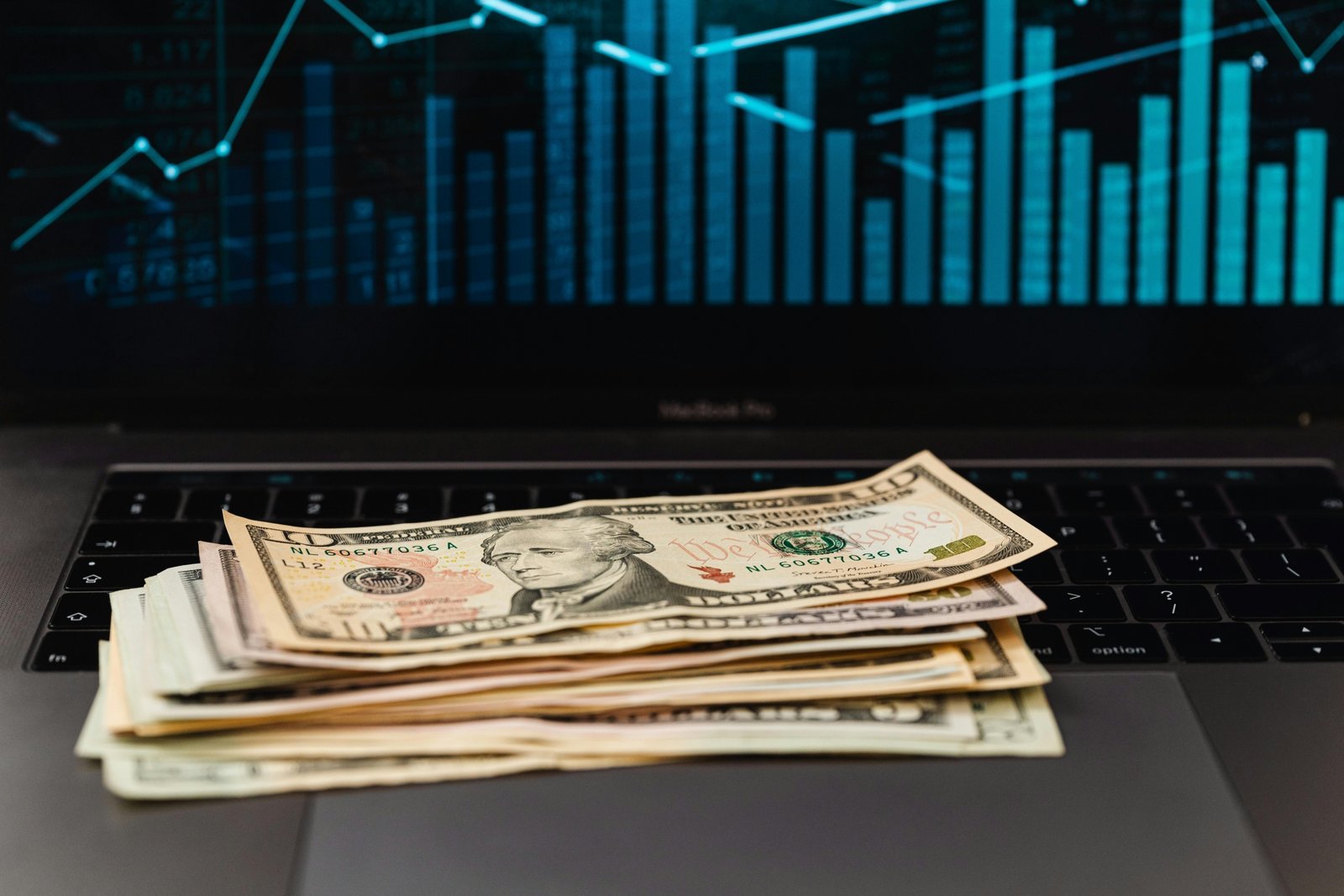
Understanding High Inflation and its Economic Impact
High inflation signifies a persistent increase in the general price level of goods and services in an economy over time. It reflects a decrease in purchasing power and often indicates an imbalance between supply and demand. Several factors contribute to rising inflation rates, including increased consumer demand, rising production costs, and expansive fiscal or monetary policies. In response to a strong demand for goods and services, sellers may elevate prices, leading to a cycle that can exacerbate inflationary pressures.
Indicators of inflation include the Consumer Price Index (CPI) and the Producer Price Index (PPI), both of which measure changes in price levels. These indexes reveal trends that can significantly impact various sectors of the economy, particularly real estate. As inflation rises, borrowing costs tend to increase due to higher interest rates set by central banks. This can lead to reduced affordability for potential home buyers and may slow down real estate transactions.
Historically, periods of high inflation have resulted in varied consequences across different economic sectors. For instance, during the 1970s in the United States, aggressive inflation led to rising mortgage rates that greatly diminished housing affordability. The resulting slow-down in housing demand created a ripple effect throughout the construction and home improvement industries. More recently, the inflationary period observed in many global economies post-COVID-19 pandemic has raised concerns over sustainable economic recovery.
Understanding high inflation and its multifaceted impact on the economy is crucial for stakeholders in real estate markets. The implications of rising prices not only affect individual consumers but also have broader effects on investment trends and policy decisions that shape the future of real estate. By examining the dynamics of inflation, stakeholders can better navigate these evolving market conditions.
Current Trends in Real Estate Amidst High Inflation
In recent years, the global real estate market has experienced significant shifts as a result of rising inflation rates. One prominent trend is the upward trajectory of property prices, influenced by increased purchasing costs and a growing demand for both residential and commercial spaces. In countries such as the United States and Canada, the property market has seen significant appreciation in prices, as individuals look to invest in tangible assets that can withstand inflationary pressures more effectively than cash savings.
On the other hand, the demand dynamics for various types of properties are undergoing transformation. For instance, amidst high inflation, many individuals are prioritizing affordability, leading to increased interest in smaller homes, apartments, and rental units. This shift reflects a broader trend wherein buyers are reassessing their housing needs in light of economic uncertainties. Simultaneously, demand for commercial real estate is fluctuating. Some sectors, particularly warehousing and logistics properties, are thriving due to heightened consumer behaviors leaning towards e-commerce, while other commercial spaces face challenges due to changing work habits and economic considerations.
Additionally, the costs associated with construction are on the rise, resulting from increases in material prices and labor shortages. This surge in construction costs can lead to delays in new projects, further tightening supply within the market and exacerbating price increases for existing properties. Various regions are responding differently to these pressures: urban centers may adapt more rapidly with new construction technologies, while rural areas might struggle to keep pace with demand and costs.
As these trends unfold, it becomes evident that high inflation is reshaping the global real estate landscape. Factors such as regional economic health, governmental policies, and migration patterns will play crucial roles in determining how these trends develop over time.
Investor Strategies in a High-Inflation Environment
In the context of escalating inflation, real estate investors are recognizing the necessity to revise their strategies to mitigate risks and capitalize on potential opportunities. One of the primary approaches involves asset diversification, allowing investors to spread their investments across multiple property types and geographical locations. This strategy not only reduces individual property risk but also enhances potential returns by capturing varying market dynamics.
Investing in inflation-resistant properties has emerged as a crucial tactic. Such properties generally include those with long-term leases, essential services, or those located in high-demand areas where rental prices can be adjusted regularly. This approach enables investors to maintain rental income even as inflation increases, safeguarding their profits against currency devaluation.
Moreover, real estate investment trusts (REITs) have gained popularity among investors seeking to navigate the high-inflation landscape. REITs often provide exposure to diversified real estate portfolios, offering liquidity and professional management. During periods of inflation, many REITs focus on sectors like residential housing, healthcare facilities, and industrial assets that tend to perform well under inflationary pressures.
Expert advice suggests staying informed on economic indicators and adjusting strategies accordingly. Investors are encouraged to engage in continuous education and networking opportunities to share insights and best practices. Case studies illustrate successful adaptations; for instance, experienced investors who shifted to multifamily properties during previous inflationary periods were able to yield high returns while minimizing risk.
Ultimately, navigating high inflation in the real estate market requires a proactive approach, combining diverse investment techniques and a keen awareness of market trends. By implementing strategic adjustments and leveraging expert knowledge, investors can not only protect their assets but also discover new avenues for growth.
Future of Real Estate Post-Inflation
As high inflation stabilizes post-2026, one can anticipate significant transformations in the real estate markets globally. Buyers’ behaviors are likely to shift as they adapt to the new economic realities that have emerged during the inflationary period. With many individuals facing higher costs of living, there may be a marked increase in demand for affordable housing options. This shift could drive developers and investors to prioritize low-cost units, altering the landscape of property investment and development.
Additionally, historical trends suggest that once inflation normalizes, property values may begin to stabilize or even decline, particularly in previously overheated markets. In response to this potential decrease in value, buyers may adopt a more cautious approach, favoring long-term stability over quick gains. As a consequence, this behavioral shift could reshape the real estate dynamics, shifting the focus from speculative investments to more sustainable, value-driven purchases.
Policymakers will play a crucial role in guiding the trajectory of the real estate sector during this transition. The government may implement several policies aimed at fostering market stability, including tax incentives for first-time homebuyers and adjustments in financing options to encourage lending for property purchases. Additionally, there is the potential for regulation of housing prices to ensure affordability, helping to mitigate the impact of inflationary pressures that could linger post-2026.
In conclusion, the future of real estate is likely to evolve significantly as inflation stabilizes. Adjustments in buyer behavior, a potential shift in property values, and proactive policymaking will define the indicators shaping the market. Stakeholders must remain vigilant and adaptable to navigate this new landscape effectively.
High inflation won’t wait—secure your real estate investment now and protect your money.






Join The Discussion