
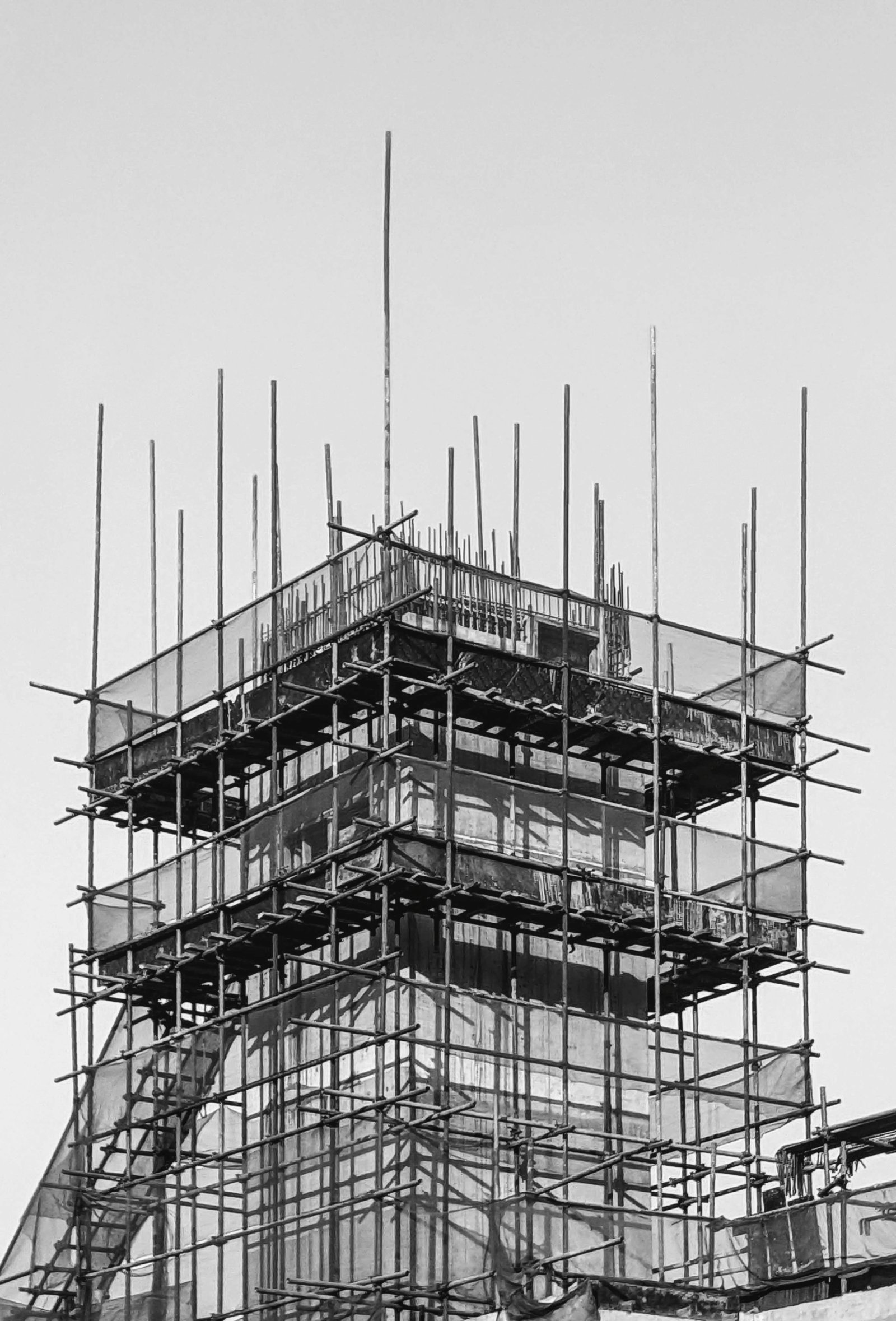
Understanding Under Construction Units
Under construction units are properties that are currently in the process of being built or renovated, and they offer a unique opportunity for potential buyers in the real estate market. These units are typically sold before completion, allowing buyers to invest in a property that is still in the development phase. The two primary types of under construction units include residential real estate, such as apartments and houses, and commercial properties designed for business use.
Investing in under construction units can be advantageous as it often comes at a lower price compared to fully completed properties. The price for these units may be subject to increase once construction is finalized, providing room for potential appreciation in value. The key distinction between under construction units and completed properties lies in the fact that the latter is move-in ready, whereas under construction units require a waiting period until they are finished and approved for occupancy.
The construction process of these units typically unfolds in various stages, which may include groundwork, foundations, structural development, and interior finishing. As a buyer, understanding these stages can equip you with vital insights into what to expect in terms of timelines and any potential delays. The anticipated timeframe for completion is usually outlined by the developer, although it is essential to consider that unforeseen circumstances might lead to adjustments in these timelines.
Additionally, buyers of under construction units often have the chance to customize certain aspects of their new property, such as layout choices or finish materials. This personalization makes investing in under construction units appealing for many individuals, as it allows for a tailored living or working environment that can be aligned with their specific preferences and needs.
Financial Advantages of Buying Early
Investing in under construction units presents a myriad of financial benefits for prospective buyers. One primary advantage is the lower initial cost associated with purchasing a property before its completion. Typically, developers offer pre-launch prices that are significantly lower than those set for completed units. This means buyers can acquire property at a price point that is less than the market value might dictate once the construction is final.
Moreover, under construction properties often experience a considerable appreciation in value over time. Historical data has shown that properties purchased during the construction phase can appreciate significantly by the time they are completed. This increase can yield substantial returns on investment for early buyers, especially in high-demand areas where the property market is projected to grow. As the surrounding infrastructure develops and more amenities are introduced, the potential for capital appreciation becomes even more promising.
Another financial aspect worth considering is the favorable payment plans extended by developers. Many offer innovative financing options that allow buyers to make payments in installments tied to the construction progress, which can ease the financial burden. This structuring allows investors to manage their cash flow better while still securing a property that may appreciate considerably upon completion.
Furthermore, early investors often benefit from greater bargaining power when selecting units. This advantage can lead to discounts and incentives that further enhance the financial feasibility of their investment. Buyers keenly observing historical price trends will notice a consistent pattern; properties bought early generally fare better in long-term value retention and growth, making a compelling case for investing in under construction units.
Customization and Personalization Opportunities
One of the most compelling benefits of purchasing under construction units is the opportunity for customization and personalization. Buyers of these units are often granted unique options that allow them to modify their living spaces before the actual completion of the property. This capability is typically facilitated through collaboration with the developers, who may offer various choices regarding layouts, finishes, and upgrades.
When it comes to layouts, potential homeowners might have the chance to choose between several configurations, such as open concept designs or traditional segmented rooms. This flexibility enables buyers to select a layout that best suits their lifestyle and preferences. Additionally, those purchasing under construction units might be able to adjust the number of rooms or the placement of common areas to better accommodate their family dynamics.
Beyond structural alterations, the finishing touches are equally important. Buyers can often select from a variety of options for flooring, cabinetry, countertops, and even fixture styles. Such choices not only impact the aesthetic appeal of the unit but also allow homeowners to integrate their personal tastes into their living environment. For example, selecting eco-friendly finishes or modern appliances can enhance both the functionality and sustainability of the home.
Moreover, some developers provide opportunities for unique upgrades, such as smart home technologies or premium outdoor spaces. The ability to personalize features in an under construction unit can significantly enhance homeowner satisfaction, as it ensures that the space aligns closely with their individual vision. By investing in such tailored attributes, buyers may experience greater contentment with their property, ultimately strengthening their long-term attachment to the home.
Risk Management and Investment Strategies
Investing in under construction units presents both lucrative opportunities and inherent risks that potential buyers must navigate. An essential strategy for minimizing risks is thorough research into the reputation and track record of developers. Prospective buyers should focus on established developers with a history of completing projects on time and within budget. This research often includes reading reviews, checking past project success rates, and evaluating any complaints registered against the developer.
Additionally, understanding the expected construction timelines is critical to mitigate risks associated with delays. Buyers should ask for detailed timelines and be aware of any factors that could impact the project’s completion date. These factors can range from regulatory approvals to market fluctuations, which can also influence property values. Being informed about potential delays can help investors plan ahead and avoid financial strain.
Furthermore, it is advisable to examine current market conditions before committing to a purchase. Understanding the economic landscape can provide valuable insight regarding supply and demand trends, which ultimately affect property values. Engaging with a real estate professional familiar with the local market can help buyers navigate these complexities effectively.
Moreover, identifying trustworthy investment opportunities requires vigilance. Buyers should consider projects that offer clear legal documentation and transparent communication regarding progress. This will not only safeguard their investment but also ensure a smoother transaction process. Long-term benefits should be evaluated as well; historically, values of under construction properties often appreciate significantly once construction concludes, offering investors promising returns on investment.
In conclusion, while the journey of investing in under construction units comes with its challenges, strategic risk management and diligent research can pave the way for rewarding investment opportunities.






Join The Discussion